 Save to Pinterest
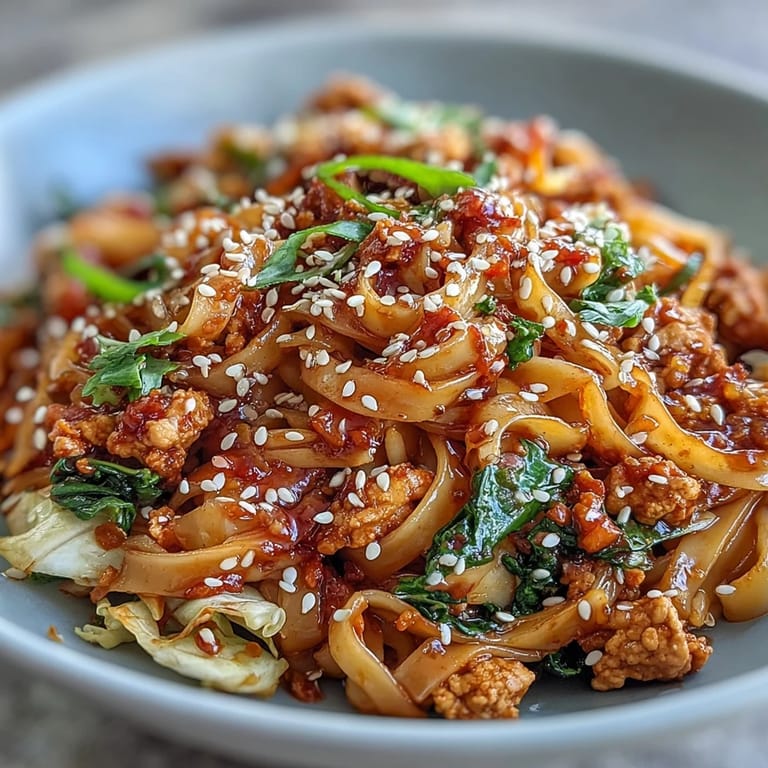
 My neighbor dropped off a container of gochujang one afternoon with zero explanation, just a knowing smile. I stared at that red paste for three days before curiosity got the better of me, and that's when I started throwing together whatever proteins and noodles I had on hand. This Korean turkey fried noodles became my answer to those nights when I needed something bold and satisfying but didn't have hours to spend cooking. The magic happens in that sauce—it's spicy, slightly sweet, and absolutely impossible to stop eating once you start.
I made this for friends who were skeptical about ground turkey until they tasted it, and watching their faces change was genuinely worth the effort. Nobody asked what was in it—they just asked for seconds and wanted the recipe written down before they left. That's when I knew this wasn't just a quick weeknight dinner; it was something that could actually impress people.
Ingredients
- Ground turkey: This is leaner than beef but soaks up the sauce beautifully, so don't skip browning it properly first.
- Fresh or dried wheat noodles: I use whatever I have, and honestly udon holds the sauce better than thin ramen, but both work.
- Shredded carrots: They add sweetness and stay a little crisp if you don't overcook them.
- Red bell pepper: This brings color and a gentle sweetness that balances the heat from the gochujang.
- Onion and Napa cabbage: The onion softens into the sauce while the cabbage stays slightly crunchy, giving you texture in every bite.
- Green onions: Save some for garnish because that fresh, sharp bite at the end is what makes people pause and notice.
- Soy sauce: Use low-sodium if you can, since the gochujang already carries salt.
- Gochujang: This Korean chili paste is the heart of the whole dish—it's complex, not just hot, with a fermented depth that sets this apart from other stir-fries.
- Sesame oil: A little goes a long way, so don't drown it; just enough to add that toasted warmth.
- Brown sugar: This rounds out the heat and creates that restaurant-quality balance between spicy and slightly sweet.
- Garlic and ginger: Fresh is non-negotiable here; the bite they give makes the whole sauce come alive.
- Rice vinegar: A splash of acidity keeps everything from feeling heavy.
- Toasted sesame seeds: These are the final touch that makes the dish look intentional and taste finished.
Tired of Takeout? 🥡
Get 10 meals you can make faster than delivery arrives. Seriously.
One email. No spam. Unsubscribe anytime.
Instructions
- Build your sauce first:
- Whisk together soy sauce, gochujang, sesame oil, brown sugar, garlic, rice vinegar, and ginger in a small bowl. The gochujang might look stubborn at first, but keep whisking until it breaks down into the soy sauce and everything becomes glossy and unified. This is your flavor foundation, so taste it and adjust if you need more heat or sweetness.
- Get the noodles ready:
- Cook them according to package directions, then drain and rinse under cold water to stop them from sticking together. This step matters more than you'd think because warm noodles get mushy when they sit in the pan later.
- Brown the turkey properly:
- Heat a large skillet or wok over medium-high heat, add a drizzle of oil, then add the ground turkey. Break it apart with a spatula as it cooks, making sure to get some color on the meat, about 4 to 5 minutes. You want it completely cooked through and lightly browned in spots, not just gray and lifeless.
- Add vegetables in stages:
- First in go the onion, carrots, and bell pepper, stir-frying for 2 to 3 minutes until they start to soften. Then add the cabbage and let it wilt for another 2 minutes, tossing everything so it cooks evenly and nothing sticks to the bottom.
- Pour in the sauce:
- Scrape your sauce into the skillet and toss everything together, making sure every piece of turkey and vegetable gets coated. The heat will make the sauce bubble slightly and cling to the turkey, which is exactly what you want.
- Add the noodles and finish:
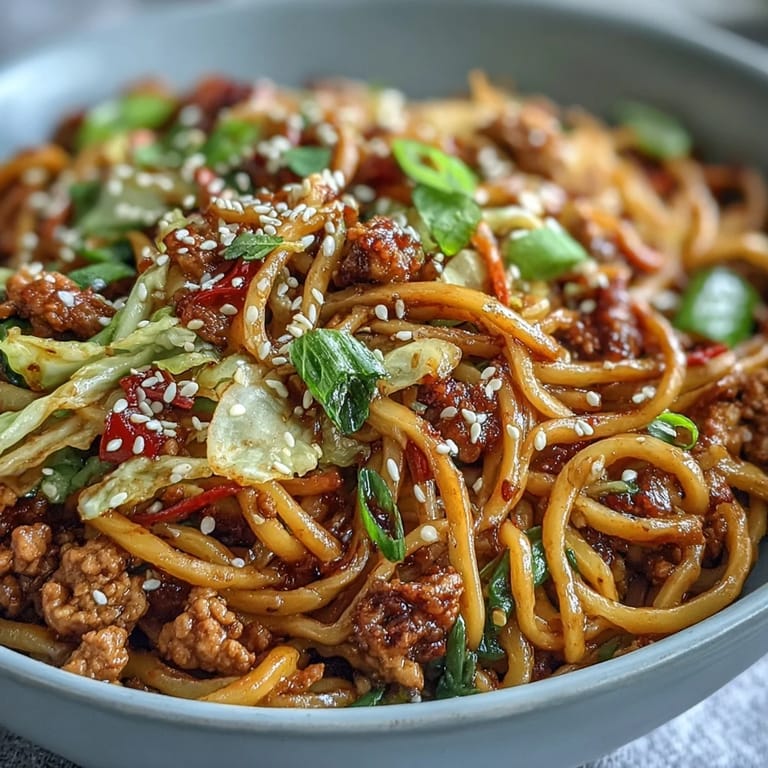
- Toss in your cooled noodles and stir-fry for another 2 to 3 minutes until they're heated through and well-coated with sauce. The whole skillet should smell incredible at this point, and the noodles should be glossy and dark.
- Plate and garnish:
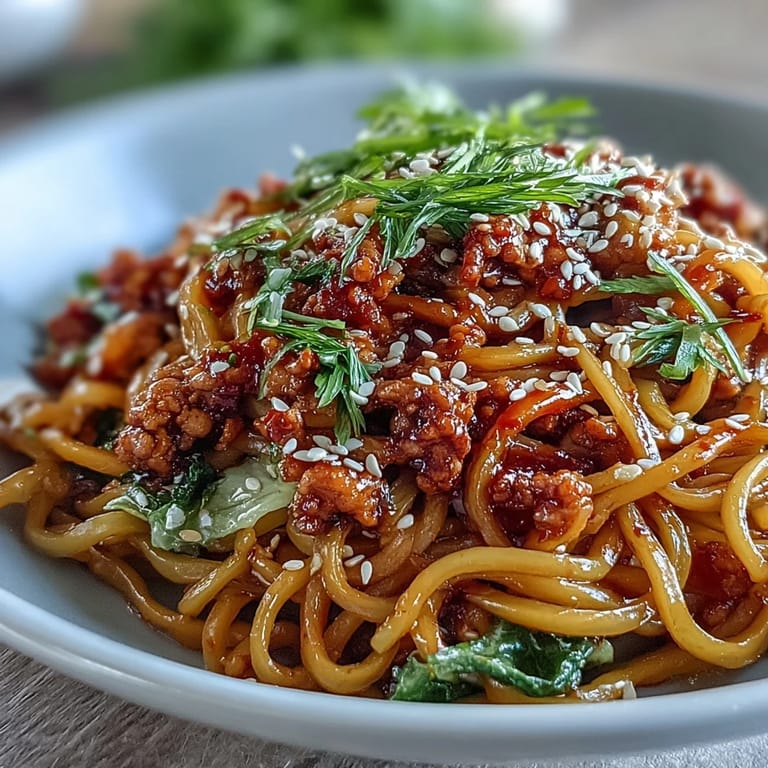
- Remove from heat, sprinkle with toasted sesame seeds and extra green onions, then serve hot. Don't skip the garnish—those little touches make people feel like you actually cared.
 Save to Pinterest
 There was a moment when a friend asked if I'd ever considered making this for meal prep, and I realized this dish had become one of those reliable recipes I return to without thinking. It's the kind of meal that feels both special enough for guests and comforting enough for a solo dinner on a random Thursday night.
Swapping Proteins Without Losing the Magic
Ground chicken is lighter and works beautifully if turkey feels too lean for your taste, while ground beef gives you more richness and deeper browning. Pork is another solid choice and actually has enough fat that it caramelizes in the pan and picks up the sauce even better. Whatever you choose, the key is getting good color on the meat before you add the vegetables, because that's where half the flavor comes from.
Making It Hotter (Or Not)
If the gochujang version isn't spicy enough for you, keep gochugaru—those Korean chili flakes—on the table and let people add them individually rather than cooking them in. Some people like the slow burn of fermented heat, others want immediate fire, and there's no reason to cook a dish for everyone when you can let them customize it. For people who are sensitive to spice, you can cut the gochujang down to a tablespoon and replace it with extra soy sauce, then let the dish taste more savory than spicy.
Serving Suggestions and Pairing Ideas
This dish is complete on its own, but a simple cucumber salad with rice vinegar cuts through the richness beautifully if you're serving it to others. The sauce is bold enough that it doesn't need anything fancy alongside it, though a cold lager or crisp soju makes the whole meal feel intentional. Some people add a squeeze of lime or a splash of extra vinegar at the table, and honestly, those little adjustments are part of what makes it fun to cook for different people.
- Serve it straight from the skillet if you're cooking for yourself, or transfer to a platter for guests to make it feel more restaurant-quality.
- Leftovers reheat beautifully in a skillet over medium heat with a splash of water if the noodles have dried out overnight.
- This freezes well for up to a month, so doubling the batch on a slow weekend and portioning it out is a genuinely smart move.
 Save to Pinterest
 This recipe became my answer to craving bold flavors on a weeknight, and somewhere along the way it became the thing people request. There's something deeply satisfying about watching someone take that first bite and understand exactly why you kept making it.
Recipe FAQs
- → What type of noodles work best?
Fresh or dried wheat noodles like udon or ramen work excellently. For a gluten-free option, substitute with rice noodles and use tamari instead of soy sauce.
- → Can I make this dish spicy?
Absolutely. Adjust the heat by adding more gochujang or a dash of gochugaru (Korean chili flakes). The base recipe offers mild to medium spice levels.
- → What protein alternatives can I use?
Ground chicken or beef work beautifully as substitutes. Cook times remain similar, and the Korean-style sauce complements all three proteins well.
- → How do I prevent noodles from sticking?
Rinse cooked noodles under cold water to remove excess starch, then toss them with a small amount of oil before adding to the skillet.
- → Can I prepare this ahead?
The sauce can be mixed up to 3 days in advance. For best results, cook the noodles and stir-fry just before serving to maintain texture.
- → What vegetables can I add?
Bok choy, bean sprouts, or sliced mushrooms make great additions. Adjust cooking times so vegetables stay crisp-tender.