 Save to Pinterest
 There's something about the sizzle of chicken hitting hot oil that instantly puts me in a good mood, even on days when I have zero energy to cook. Years ago, a coworker brought this sweet and sour chicken to a potluck, and I watched it disappear in minutes while people went back for seconds without hesitation. What struck me most wasn't just how delicious it was, but how she'd made it in a single skillet in under 40 minutes, turning simple ingredients into something that felt restaurant-quality. I asked for the recipe that day, and it's become my go-to when I need something satisfying that doesn't demand hours in the kitchen.
I made this for my partner on a random Tuesday night when we were both tired from work, and he actually put his phone down mid-meal. That's when I knew this recipe had staying power, honestly. It's become our weeknight solution when we want something better than takeout but we're not in the mood for complexity.
Ingredients
- Boneless, skinless chicken breast: Cut into 1-inch cubes so they cook evenly and absorb the sauce beautifully, and trust me, uniform sizes make a real difference in the kitchen.
- Cornstarch: This is your secret for coating the chicken so it gets that slight golden exterior and helps thicken the sauce later on.
- Salt and black pepper: Season the coating generously because this is your only chance to flavor the chicken directly.
- Vegetable oil: Use something neutral with a high smoke point so it doesn't burn and overpower the dish.
- Red and green bell peppers: Cut them the same size as your chicken so everything cooks at the same pace and looks intentional on the plate.
- Red onion: The color adds visual appeal, and it has a slightly sweeter profile than yellow onions which complements the sauce.
- Fresh pineapple chunks: If you use canned, drain it well and save the juice for the sauce, which adds a subtle fruity depth you can't replicate otherwise.
- Fresh garlic and ginger: These wake up the entire dish and prevent it from tasting flat or one-dimensional.
- Rice vinegar: It's milder than white vinegar and brings a clean, balanced tartness that plays well with sweet.
- Ketchup: This might sound unconventional, but it adds umami and body to the sauce without tasting like ketchup, I promise.
- Brown sugar: It caramelizes slightly during cooking and rounds out all the flavors in a way white sugar doesn't.
- Soy sauce: Use good quality here because it's a major flavor player, and the difference between mediocre and excellent soy sauce shows up in every bite.
- Pineapple juice: This ingredient ties the theme together and adds authenticity to the flavor profile.
- Cornstarch slurry: Whisk it smooth with water before adding or you'll get lumps, which I learned the hard way once.
Tired of Takeout? 🥡
Get 10 meals you can make faster than delivery arrives. Seriously.
One email. No spam. Unsubscribe anytime.
Instructions
- Coat the chicken:
- Toss your chicken cubes with cornstarch, salt, and pepper in a bowl until every piece is evenly dusted. This coating is what gives the chicken its slight crust and helps thicken the sauce, so don't skip this step.
- Sear the chicken:
- Heat oil in your skillet over medium-high heat until it shimmers slightly, then add half the chicken and let it sit undisturbed for about a minute so it gets golden on one side. Turn it over and repeat until all sides are browned, then set it aside and do the same with the remaining batch.
- Build the aromatics:
- In the same skillet with all the browned bits still clinging to the bottom, add your minced garlic and ginger and cook for about 30 seconds until fragrant. Then add your onion and bell peppers and let them soften for 3 to 4 minutes, stirring occasionally.
- Bring it together:
- Add the pineapple chunks and return the chicken to the skillet, nestling everything together so it feels like one cohesive dish. Whisk together all your sauce ingredients in a separate bowl first, then pour it over everything at once.
- Finish strong:
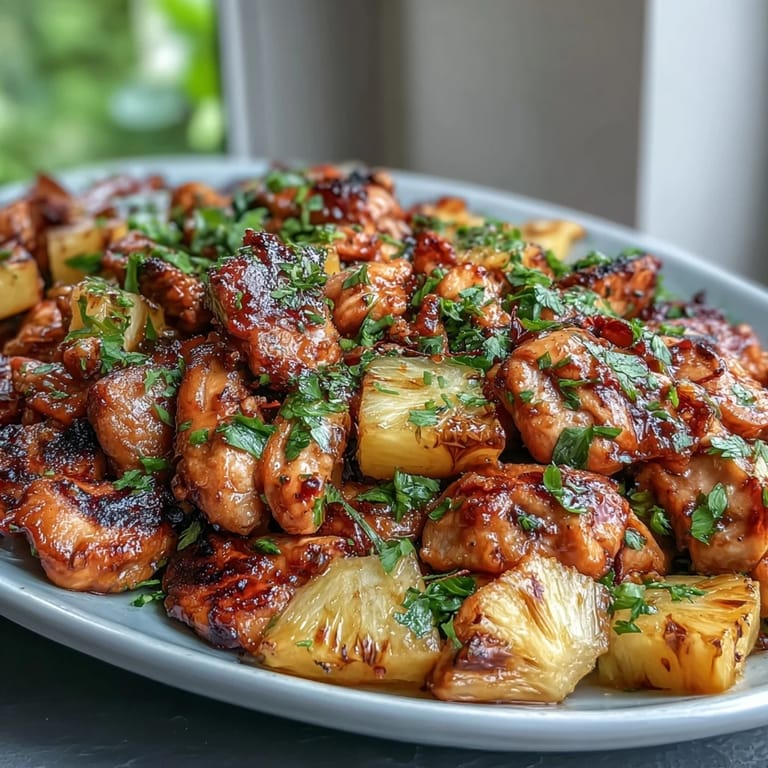
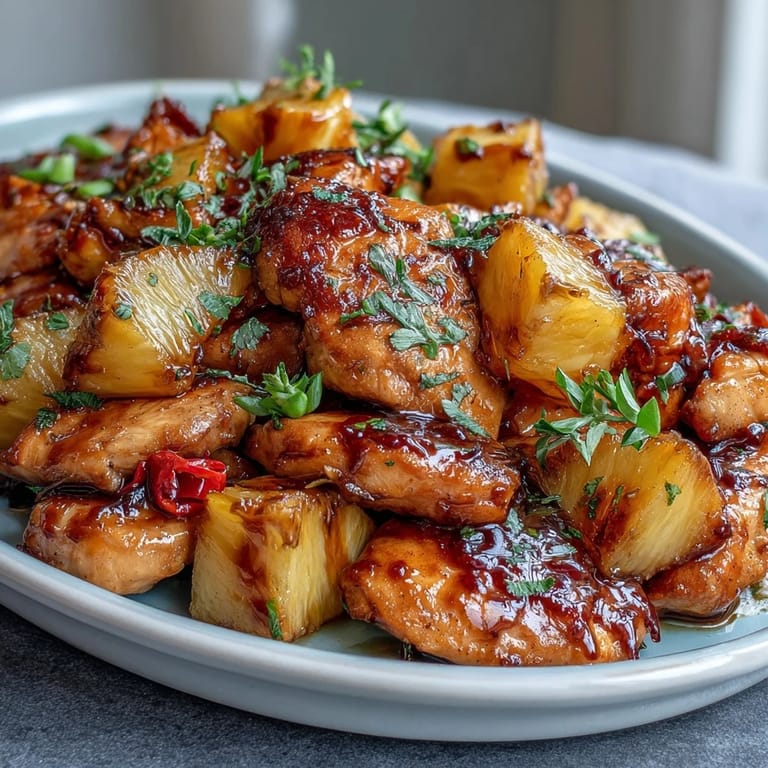
- Bring the sauce to a gentle simmer, then drizzle in your cornstarch slurry while stirring constantly until the sauce thickens and coats the chicken and vegetables. The whole thing should come together in about 2 to 3 minutes, and you'll know it's done when the sauce is glossy and clings to the chicken.
 Save to Pinterest
 This dish somehow tastes even better the next day when the flavors have had time to marry together in the fridge. I've served it for weeknight dinners, brought it to potlucks, and meal-prepped it for busy weeks, and it adapts beautifully to every situation.
Serving Suggestions That Actually Work
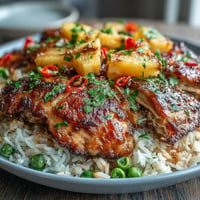
Steamed white rice is the traditional choice and it absorbs the sauce perfectly, but I've also served this over jasmine rice, brown rice, and even cauliflower rice when I wanted something lighter. A bed of fluffy rice transforms this into a complete meal, and the way the sauce pools around the rice is genuinely satisfying to look at.
Customizing for Your Taste
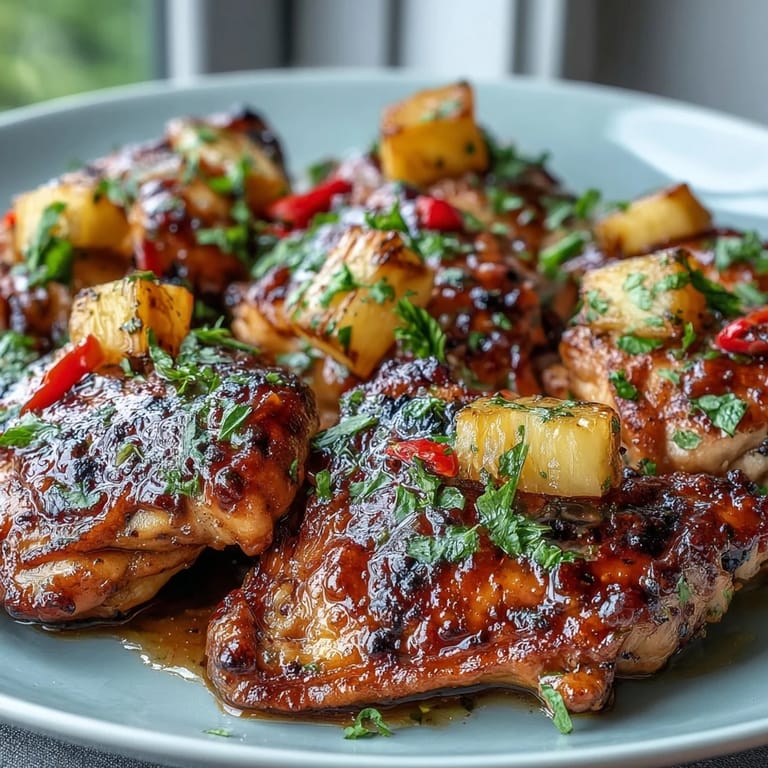
Chicken thighs are fattier and stay more tender than breasts, so if you prefer a juicier result, swap them in without changing anything else. For extra heat, a pinch of red pepper flakes stirred into the sauce adds complexity without overwhelming the sweet and sour balance, and I sometimes add a tiny splash of sesame oil at the end for richness.
Timing and Flavor Tricks
The beauty of this recipe is that every component cooks at nearly the same pace, so there's minimal waiting around and no scrambling to finish vegetables while chicken sits getting cold. Fresh ginger and garlic are non-negotiable here because they add brightness that dried versions simply cannot replicate, and a good soy sauce makes the difference between forgettable and genuinely crave-worthy.
- Mince your garlic and ginger while the oil heats so you're never standing around waiting for the next step.
- If using canned pineapple, drain it over a bowl and save every drop of juice because that's liquid gold for the sauce.
- Taste the sauce before serving and adjust sweetness or tanginess if needed because everyone's preferences are different.
 Save to Pinterest
 This recipe has become my answer when someone asks what I actually cook at home, and that's because it delivers restaurant-quality results without pretense or stress. It's the kind of meal that tastes like you spent way more effort than you actually did.
Recipe FAQs
- → How do I prevent chicken from sticking to the skillet?
Ensure the skillet is well heated and use enough oil before adding chicken pieces. Avoid overcrowding to allow even browning.
- → Can I use fresh pineapple instead of canned?
Yes, fresh pineapple chunks add a bright sweetness and texture. Just be sure to drain canned pineapple well to avoid excess liquid.
- → What thickening agent is best for the sauce?
A mixture of cornstarch and water works well to thicken the sauce without altering its flavor or texture.
- → How to add heat to this dish?
Incorporate a pinch of red pepper flakes into the sauce or during sautéing for a gentle spicy kick.
- → Can I substitute chicken breast with another cut?
Boneless, skinless chicken thighs are a great alternative, offering extra juiciness and tenderness.