 Save to Pinterest
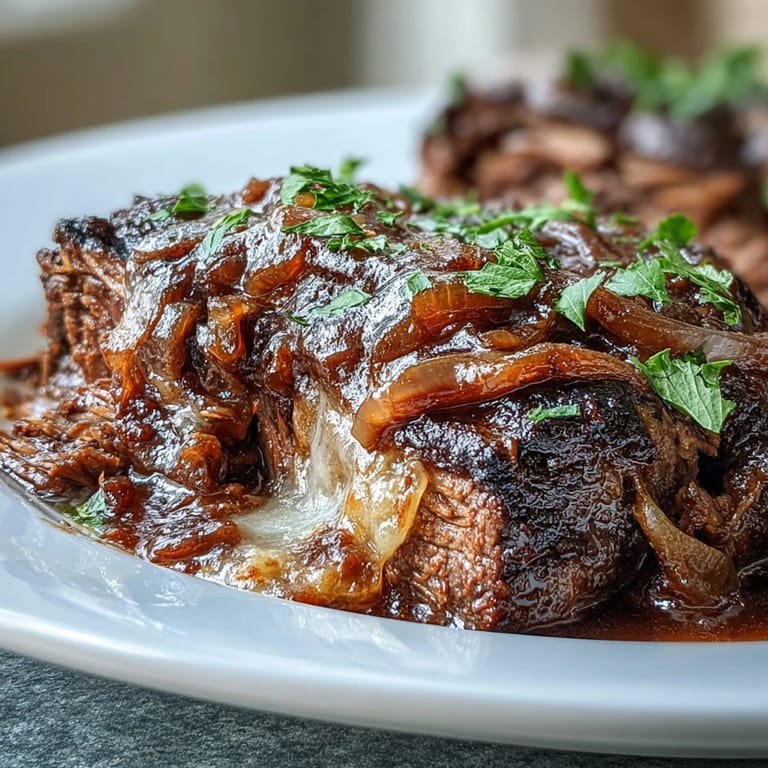
 My neighbor stopped by on a drizzly October afternoon, drawn by the smell wafting from my kitchen. I'd started this French onion pot roast that morning, and by late afternoon, the house smelled like a Parisian bistro—rich wine, caramelized onions, and something deeply savory that made her pause in the doorway. She ended up staying for dinner, and watching her close her eyes after the first bite told me everything I needed to know about this recipe. It's become my go-to when I want to feel like I've accomplished something impressive without actually spending much time hovering over the stove.
I made this for my book club years ago when I was supposed to impress a group of people who actually knew how to cook. Instead of panicking, I chose the slow cooker route, seared the meat properly the night before, and let time be my secret weapon. When I served it in shallow bowls with the cheese still warm and gooey, one guest asked for the recipe before dessert was even cleared, and I felt like I'd cracked some ancient culinary code.
Ingredients
- Chuck roast, 3 to 4 pounds: This cut has just enough marbling to stay tender through long, slow cooking, and the fat renders into the sauce, creating that luxurious mouthfeel you can't fake with leaner cuts.
- Yellow onions, 3 large, thinly sliced: The magic happens when these slowly caramelize, turning sweet and golden—don't skip this step or rush it, because this is where half the flavor lives.
- Garlic, 4 cloves, minced: A small amount goes a long way in a slow cooker, so resist the urge to double it unless you want your kitchen smelling like a vampire's nightmare.
- Mushrooms, 2 cups sliced: Optional but genuinely worth adding—they absorb all those savory juices and add an earthy note that makes the sauce taste more complex.
- Olive oil, 2 tablespoons: This is for the initial sear and sauté, and it's worth using decent quality because it's doing real work here, not hiding in the background.
- Beef broth and red wine, 1 cup each: The wine adds acidity and depth that plain broth can't touch, but if you're not comfortable cooking with it, extra broth works fine—just lose a little of that sophisticated edge.
- Worcestershire and soy sauce, 2 and 1 tablespoon respectively: These are your umami bombs, the reason the sauce tastes so savory and complex without being salty.
- Thyme and rosemary, fresh or dried: Fresh herbs are always nicer, but dried won't ruin anything—just remember dried is stronger, so stick to the smaller amount.
- Gruyere or Swiss cheese, 6 slices: Gruyere is nuttier and more interesting, but Swiss works beautifully if that's what you have, and the cheese must be good quality because it's the final impression.
- Fresh parsley, chopped: This is the last thing you add, a bright green finish that cuts through all that richness and reminds your palate what vegetables taste like.
Tired of Takeout? 🥡
Get 10 meals you can make faster than delivery arrives. Seriously.
One email. No spam. Unsubscribe anytime.
Instructions
- Season and sear the beef:
- Pat that roast dry with paper towels—moisture is the enemy of browning—then season it aggressively with salt and pepper on all sides. Heat your skillet until it's almost smoking, then lay the roast in carefully and let it sit for three or four minutes before moving it, because you're building a crust, not just cooking the surface.
- Build the onion and mushroom base:
- In the same skillet with all those caramelized bits stuck to the bottom, add your onions and mushrooms if you're using them. This takes eight to ten minutes and feels like forever, but you're watching them transform from raw to golden to translucent and sweet—don't speed this by turning up the heat, because speed makes them brown instead of caramelize, and that tastes acrid.
- Wake up the garlic:
- Once the onions are where you want them, toss in the minced garlic and let it cook for just one minute until fragrant. Any longer and it starts to burn, so set a timer or watch closely.
- Mix the braising liquid:
- Whisk together your broth, wine, Worcestershire, soy sauce, and herbs in a bowl, then taste it—it should taste a little too salty and too strong, because it's going to mellow and distribute over hours of slow cooking.
- Layer everything in the slow cooker:
- Place the seared roast in the bottom, cover it with those onions and mushrooms, then pour the broth mixture over everything until the roast is mostly submerged. Cover and set it on low—this is where patience becomes your best ingredient.
- Let time do its work:
- Eight to ten hours on low will turn that tough cut into something so tender it collapses under a spoon. Resist the urge to peek constantly—every time you lift that lid, you lose heat and add time.
- Rest and finish:
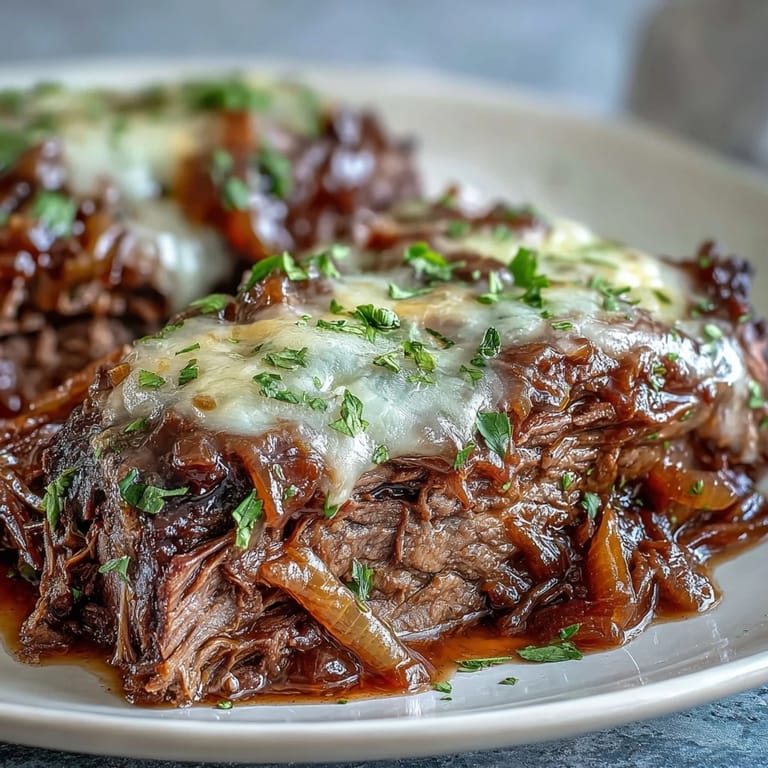
- Remove the roast and let it rest for ten minutes so the fibers relax and it stays juicy when you slice it, then top it with cheese in the slow cooker and cover for five minutes until melted. This isn't fancy or complicated, but it's the difference between good and unforgettable.
 Save to Pinterest
 One winter evening, my daughter asked why this pot roast tasted so different from the one I made in the oven, and I realized it wasn't just the slow cooking—it was the ritual of it, the house filling with smell all day, the anticipation building. Food tastes better when you've been thinking about it, and a slow cooker gives you permission to anticipate all afternoon without any actual effort.
The Secret of the Sear
Most people skip searing because it feels like an extra step, but it's genuinely the difference between pot roast and something that tastes like it's been boiled in a bag. The high heat creates what chemists call the Maillard reaction—basically, it's when meat proteins and sugars get together and create hundreds of new flavor compounds that don't exist in unseared meat. Your nose knows this happened before your mouth does, and that's when you realize this dinner is going to be something special. I learned this the hard way by making this recipe without searing once, and I've never made that mistake again.
Wine, or No Wine?
Red wine adds a slight acidity and a subtle sophistication that plain broth struggles to match, but I understand hesitation about cooking with alcohol. The alcohol itself cooks off during those hours in the slow cooker, leaving only the flavor behind, so if someone at your table has concerns about that, you can confidently tell them there's no alcohol remaining. That said, if you're using wine, pick something you'd actually drink—not expensive, but drinkable—because poor quality wine tastes thin and acrid once reduced. I use a basic Côtes du Rhône or even a grocery store burgundy, and it does the job beautifully without making me feel wasteful.
Making It Your Own
This recipe is solid as written, but it's also forgiving enough to handle your additions and adjustments. Some people add a splash of brandy or a spoonful of tomato paste, others throw in pearl onions or carrots in the last hour, and honestly, all of it works because the base is strong enough to carry variations. The only thing I'd warn against is overcrowding the slow cooker or trying to double this without a massive six-quart version, because space and proper heat circulation matter more than you'd think.
- A tablespoon of balsamic vinegar adds sweetness and depth if you feel like the sauce needs more complexity.
- Celery or carrot can be added in the last two hours if you want more vegetables, just not at the beginning or they'll turn to mush.
- If you love it richer, stir in a spoonful of Dijon mustard or a teaspoon of horseradish right before serving.
 Save to Pinterest
 This pot roast has become my answer to almost every dinner dilemma because it feels restaurant-quality but asks almost nothing of you. When you deliver it to the table with that melted cheese and fresh parsley, people assume you've been cooking all day, and you get to smile knowing you haven't been anywhere near the kitchen.
Recipe FAQs
- → What cut of beef works best?
Chuck roast is ideal due to its marbling and connective tissue that breaks down during long cooking, resulting in tender, flavorful meat.
- → Can I make this without wine?
Absolutely. Substitute with additional beef broth for a non-alcoholic version. The result will still be deeply savory and satisfying.
- → Why sear the beef first?
Searing creates a flavorful crust through the Maillard reaction, adding depth and richness to the final dish.
- → How do I know when it's done?
The beef is ready when it easily pulls apart with a fork, typically after 8-10 hours on LOW setting.
- → What sides pair well?
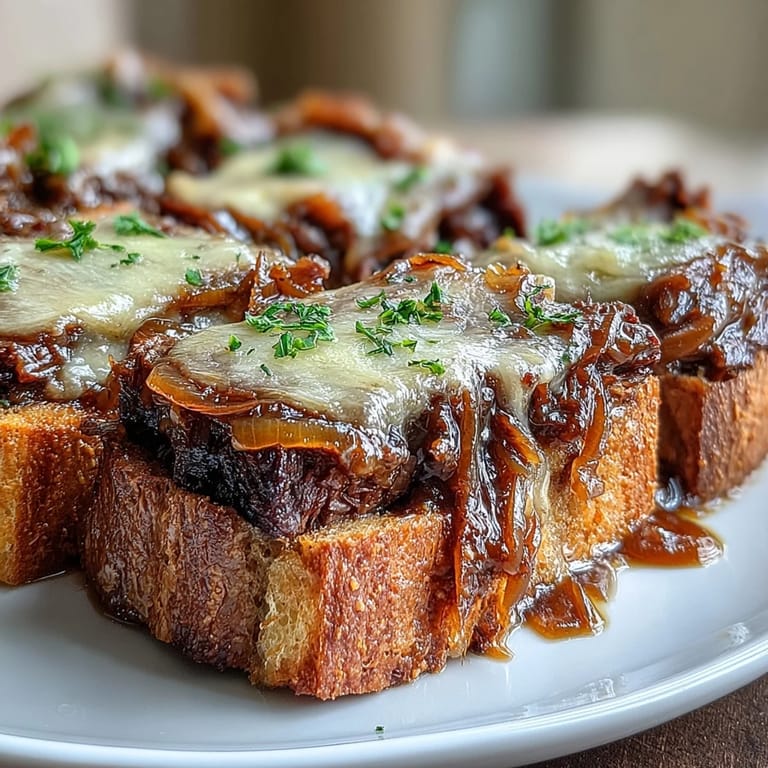
Crusty bread for dipping, mashed potatoes to soak up the juices, or roasted vegetables complement this dish beautifully.
- → Can I freeze leftovers?
Yes. Cool completely, store in airtight containers, and freeze for up to 3 months. Thaw overnight in the refrigerator.