 Save to Pinterest
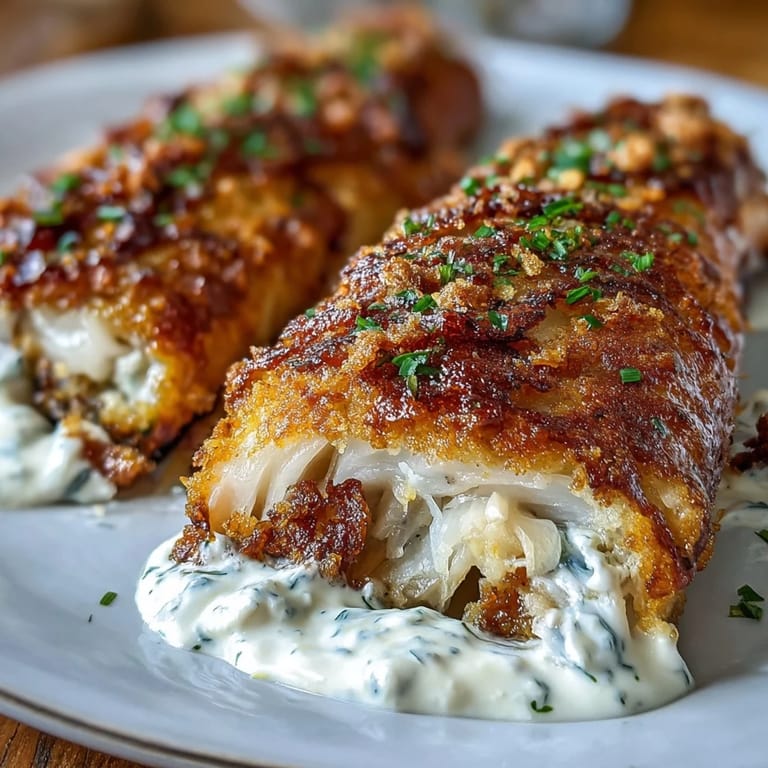
 My uncle's kitchen smelled like hot oil and cornmeal on Friday nights, and that's when I learned that fried catfish wasn't just food—it was a conversation starter. He'd pull golden fillets from the skillet with the kind of confidence that only comes from doing something a thousand times, and the remoulade sauce waiting beside the plate was his secret handshake with anyone who'd ever tasted real soul food. That first bite taught me that the best cooking happens when you respect the ingredient and trust the method, and somehow I've been chasing that feeling ever since.
I made this for my neighbor last summer when she mentioned missing her grandmother's cooking, and watching her eyes light up when she tasted it felt like I'd done something right. She came back the next day asking for the recipe, which never happens—people usually just want the fish again. That's when I realized this dish carries more weight than its ingredients suggest.
Ingredients
- Catfish fillets (4 fillets, about 6 oz each): Choose fillets that are roughly the same thickness so they cook evenly—ask your fishmonger to cut them for you if they're uneven.
- Buttermilk (1 cup): This isn't just a marinade; it's the bridge between tender fish and crispy coating that actually stays put.
- Hot sauce (1 teaspoon, plus 2 teaspoons for the sauce): Pick one with enough personality to cut through the richness without overpowering everything.
- Yellow cornmeal (1 cup): The unsung hero that gives you that golden crust—don't skip it or use polenta as a substitute.
- All-purpose flour (1/2 cup): Works with the cornmeal to create structure that holds up through frying.
- Paprika (1 teaspoon, plus 2 teaspoons smoked for the sauce): The smoked version in the remoulade adds a layer of depth that regular paprika can't match.
- Garlic powder (1 teaspoon): Gives you the flavor without the texture of fresh garlic competing with the coating.
- Onion powder (1 teaspoon): Trust this more than you might think—it rounds out the spice blend beautifully.
- Cayenne pepper (1/2 teaspoon): Just enough heat to remind you this is soul food, not a timid dish.
- Salt (1 teaspoon, plus to taste): Season generously; the oil will absorb some of it.
- Black pepper (1/2 teaspoon, plus to taste): Freshly ground if you have it, though pre-ground works fine here.
- Vegetable oil (for frying): Neutral and high-heat tolerant—peanut or canola work beautifully too.
- Mayonnaise (1/2 cup): The creamy base that makes remoulade what it is; don't cheap out here.
- Dijon mustard (2 tablespoons): The tangy backbone that prevents the sauce from feeling flat.
- Prepared horseradish (1 tablespoon): This gives the remoulade its sharp, memorable finish—use the jarred kind.
- Sweet pickle relish (2 teaspoons): Adds brightness and texture that keeps the sauce interesting.
- Fresh lemon juice (1 tablespoon): Squeeze it fresh; bottled will taste like you cut corners.
- Garlic clove (1 small, minced): Raw garlic in the sauce punches harder than cooked, so go light.
- Fresh parsley (1 tablespoon, chopped): The final flourish that says you care about how it looks and tastes.
Tired of Takeout? 🥡
Get 10 meals you can make faster than delivery arrives. Seriously.
One email. No spam. Unsubscribe anytime.
Instructions
- Get Your Fish Ready:
- Whisk buttermilk with hot sauce in a shallow dish, then nestle your catfish fillets in there like they're taking a quick bath. Let them sit for at least fifteen minutes—this is when the buttermilk starts working its magic, softening the fish and preparing it for its crispy coat.
- Mix Your Coating:
- Combine cornmeal, flour, paprika, garlic powder, onion powder, cayenne, salt, and black pepper in another shallow dish. Stir it together until everything's evenly distributed and there are no lumps hiding in there.
- Heat Your Oil Properly:
- Pour about an inch of vegetable oil into a deep skillet or Dutch oven and let it come to 350°F (175°C)—this temperature is the sweet spot where the fish gets golden without burning. Use a thermometer if you have one; if not, test it by dropping a small pinch of coating in the oil—it should sizzle immediately and float.
- Dredge with Purpose:
- Pull each fillet from the buttermilk, let the excess drip back into the dish, then lay it in the cornmeal mixture and press gently so the coating sticks all over. You want it looking like it's wearing a golden jacket, not just dusted with powder.
- Fry in Batches:
- Carefully lower the coated fillets into the hot oil—they should sizzle loudly when they hit the pan, and that's exactly what you want to hear. Fry for three to four minutes per side until golden brown and cooked through, then transfer to a paper towel-lined plate to drain.
- Build Your Remoulade:
- Whisk together mayonnaise, Dijon mustard, horseradish, hot sauce, pickle relish, lemon juice, minced garlic, smoked paprika, and parsley in a bowl. Taste it and adjust salt and pepper until it sings—it should be tangy, a little spicy, and boldly seasoned.
- Serve with Confidence:
- Plate your hot catfish fillets and set the remoulade alongside, letting people dip and drizzle to their liking. Serve immediately while the crust is still crackling.
 Save to Pinterest
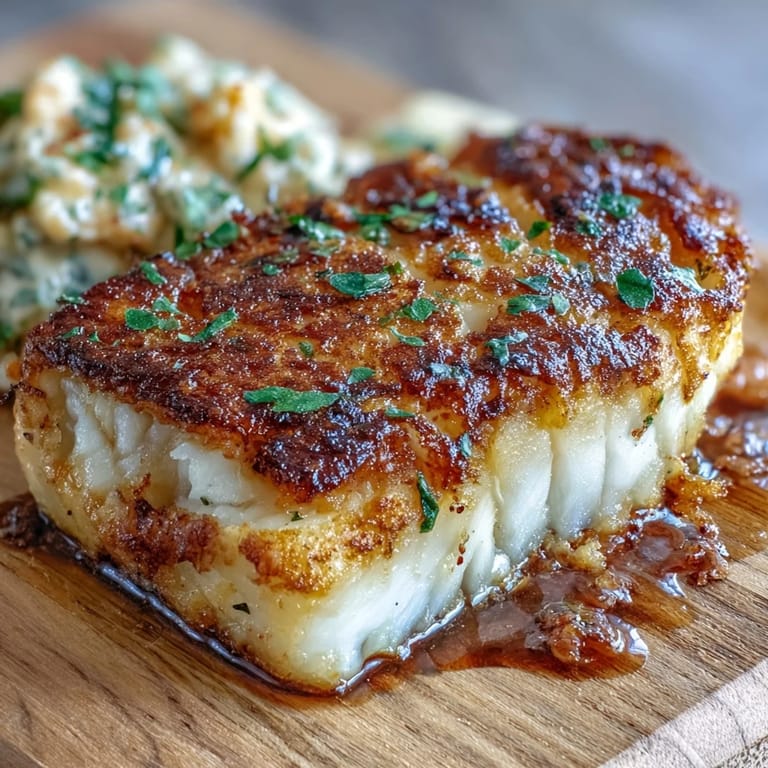
 There's a moment right after the fish hits the oil when the whole kitchen transforms—the sound changes, the smell takes over, and suddenly you're cooking something that matters. That's when I know I'm doing this right, and it's why I come back to this recipe again and again.
Why This Matters in Soul Food
Fried catfish isn't fancy, but it carries history and heart in ways that complicated recipes often miss. It's the kind of dish that built communities, fed families through hard times, and became a celebration when there was something worth celebrating. Learning to make it properly is learning to respect a tradition that deserves respect.
The Oil Temperature Secret
I spent years frying catfish at random temperatures until someone finally told me that 350°F is where the magic happens—hot enough to seal the outside instantly but not so hot that the inside stays raw. The difference between 325°F and 350°F might seem small, but it's the difference between a fish that absorbs grease and one that stays crispy for the entire meal. Once you hit that number consistently, everything else falls into place.
Beyond the Basics
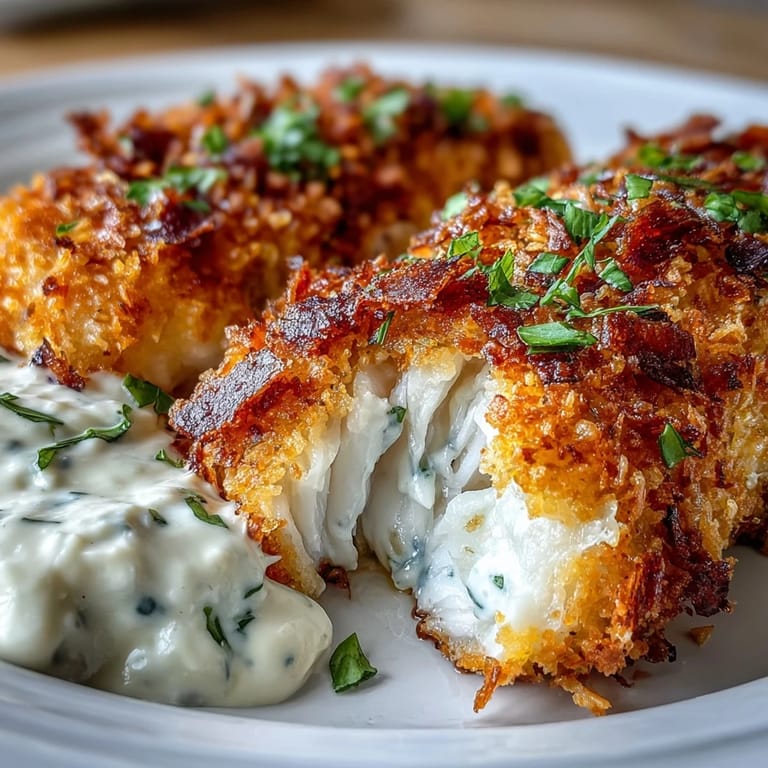
The remoulade sauce is where you can have fun without breaking the rules—some people add a splash of Worcestershire sauce, others swear by a tiny bit of Creole mustard instead of Dijon. I've seen versions with capers, anchovy paste, or even a whisper of hot sauce cranked up to eleven. What matters is that the sauce tastes bold, tastes personal, and tastes like it came from someone who cares about flavor.
- If you can't find catfish, tilapia and cod fry up beautifully with this same method and seasoning.
- Make the remoulade ahead of time—it actually tastes better after sitting in the fridge for a few hours.
- Serve this with coleslaw, hush puppies, creamy grits, or simply some good bread to soak up every drop of sauce.
 Save to Pinterest
 This is the kind of recipe that rewards you for paying attention and respecting the process, and the results taste like home no matter where you're eating. Make it once and you'll understand why it never goes out of style.
Recipe FAQs
- → What is the best way to achieve a crispy catfish crust?
Marinate the fillets in buttermilk and hot sauce, then coat them thoroughly with a seasoned cornmeal and flour mix before frying in hot oil until golden brown.
- → Can I use other fish instead of catfish?
Yes, tilapia or cod work well as substitutes and respond similarly to the spicy cornmeal coating and frying method.
- → How is the remoulade sauce made zesty and flavorful?
The combination of Dijon mustard, horseradish, hot sauce, and smoked paprika creates a tangy and smoky flavor profile that complements the fried fish.
- → What oil is recommended for frying the catfish?
Vegetable oil is ideal for its high smoke point and neutral flavor, ensuring a crisp crust without overpowering the spices.
- → Are there tips for maintaining the fillet’s moistness during frying?
Double-dipping the fillets in buttermilk and cornmeal mixture before frying helps build a thicker crust that locks in moisture.