 Save to Pinterest
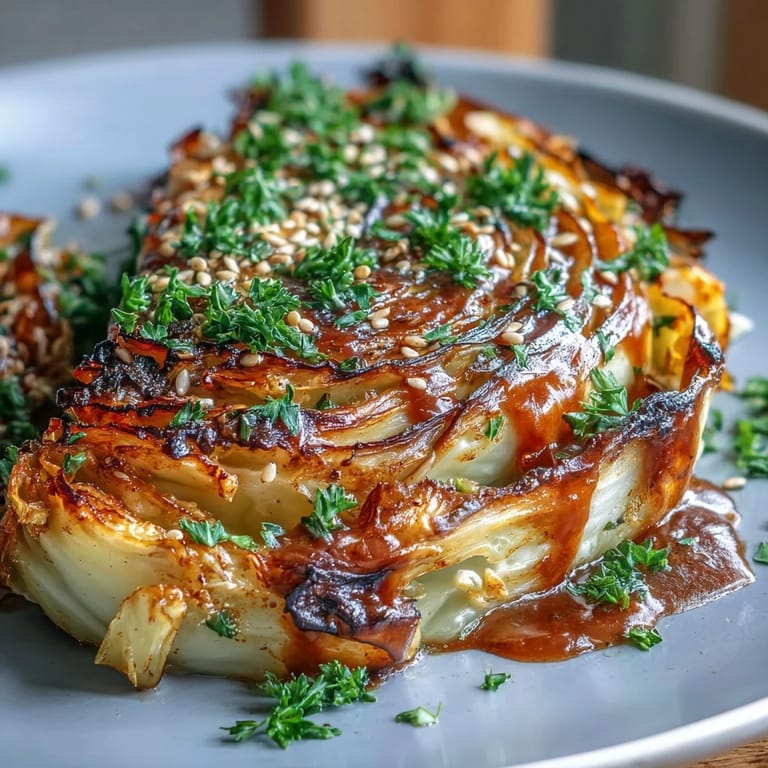
 There's something almost theatrical about slicing a cabbage into thick rounds and watching them transform in the oven from pale and humble to golden-edged and caramelized. I discovered this dish by accident one autumn evening when I had a head of cabbage sitting on my counter and absolutely nothing in the mood to make soup. What emerged was something entirely different—substantial enough to serve as dinner, yet simple enough that I've made it a dozen times since.
My partner took one bite and asked if I'd suddenly become a chef, which made me laugh because the hardest part was resisting the urge to overcomplicate it. We ended up eating by the kitchen window with the last light of the day, passing the lemon wedges back and forth, and I realized this was the kind of dish that feels both special and completely unpretentious.
Ingredients
- 1 large green cabbage: Look for one that feels dense and heavy for its size; this suggests good water content and means your steaks will stay tender rather than dry out.
- 3 tbsp olive oil: Don't skimp here—quality olive oil makes the difference between steaks that glisten and ones that feel flat.
- 1 tsp ground cumin: The warmth it brings is subtle but essential; it whispers rather than shouts.
- 1 tsp smoked paprika: This is where the depth comes from, giving the cabbage an almost smoky, caramelized quality even before it hits the oven.
- ½ tsp garlic powder: Pre-ground garlic can taste dusty if it's old, so give yours a sniff before using.
- Salt and freshly ground black pepper, to taste: Fresh pepper makes a noticeable difference in the final seasoning layer.
- ⅓ cup tahini: Stir it well before measuring; sesame paste settles and separates, so what sits at the bottom is thicker than what floats on top.
- 2 tbsp lemon juice (freshly squeezed): Bottled lemon juice will work, but fresh juice has a brightness that carries through the whole dish.
- 1 small garlic clove, finely minced: A microplane makes this almost effortless, and tiny garlic pieces distribute more evenly than larger chunks.
- 2–4 tbsp cold water: Start with 2 tablespoons and add more as needed; cold water keeps the tahini from becoming grainy.
- 2 tbsp chopped fresh parsley: This is your fresh note at the end; don't skip it even if you think you will.
- 2 tbsp toasted sesame seeds (optional): Toast them yourself in a dry pan for about two minutes to wake up their flavor and nutty aroma.
- Lemon wedges: Serve these alongside so people can squeeze fresh brightness over their steaks.
Tired of Takeout? 🥡
Get 10 meals you can make faster than delivery arrives. Seriously.
One email. No spam. Unsubscribe anytime.
Instructions
- Get your oven ready:
- Preheat to 425°F with a baking sheet inside; this way the sheet is already hot when your cabbage hits it, which helps with browning. Line it with parchment paper for easy cleanup and to prevent sticking.
- Prepare the cabbage:
- Remove any bruised or yellowed outer leaves, then slice the head into 1-inch thick rounds moving straight down through the core. You'll get four to five sturdy steaks this way, each one holding together beautifully.
- Season generously:
- Brush both sides of each steak with olive oil, then sprinkle the cumin, smoked paprika, garlic powder, salt, and pepper across both surfaces. Don't be timid with seasoning; the cabbage will absorb more than you'd expect.
- Roast until golden:
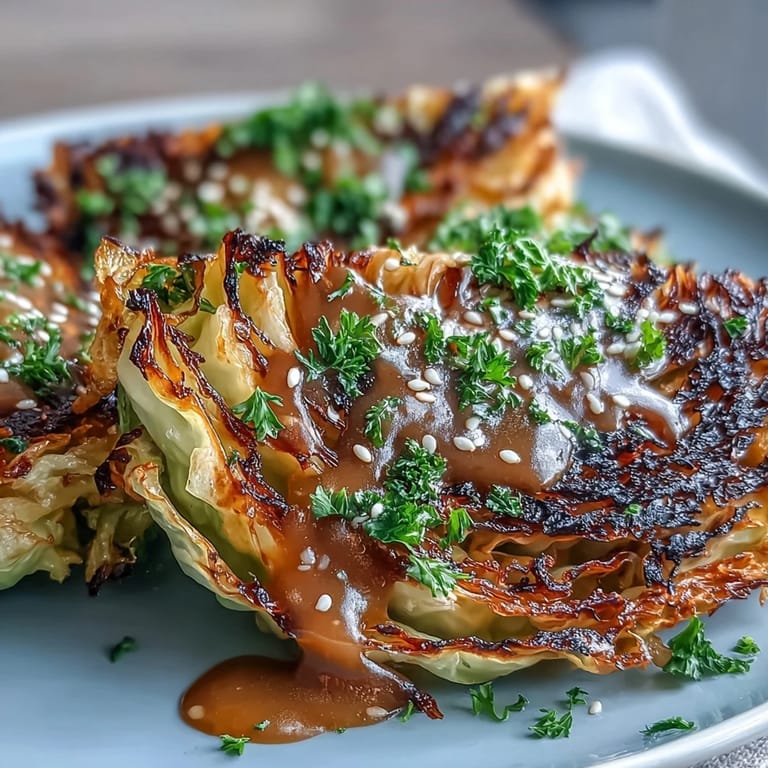
- Place steaks on the hot baking sheet and roast for about 25 to 30 minutes, flipping halfway through. You're looking for the edges to turn deep brown and caramelized while the interior becomes tender enough to cut with a fork.
- Make the tahini sauce:
- While the cabbage roasts, whisk tahini with lemon juice, minced garlic, and a small pinch of salt in a bowl. Add cold water one tablespoon at a time, whisking constantly, until the mixture flows like heavy cream.
- Bring it all together:
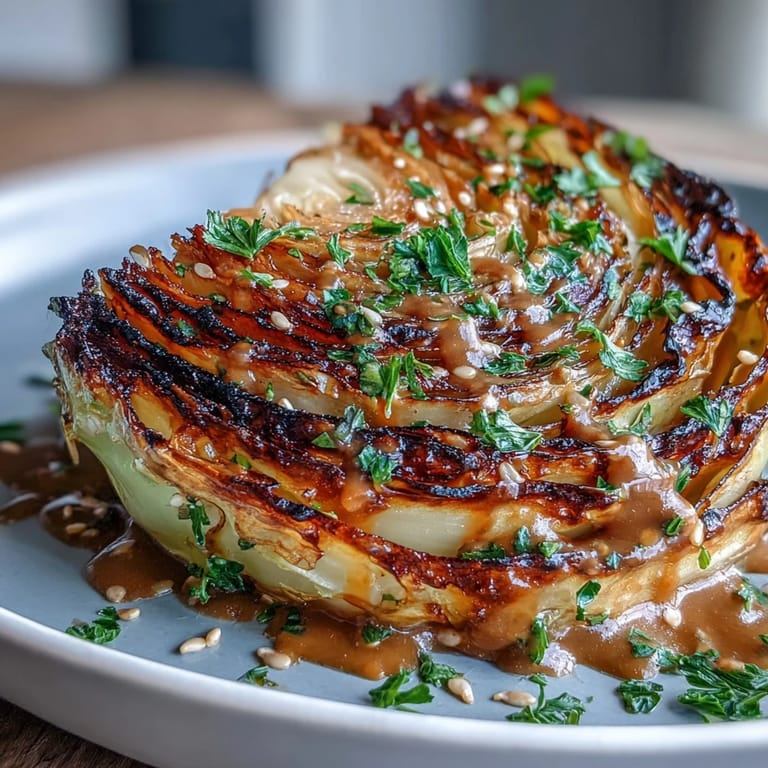
- Transfer the roasted steaks to a serving platter and drizzle generously with tahini sauce. Finish with parsley, toasted sesame seeds if you're using them, and serve with lemon wedges for squeezing.
 Save to Pinterest
 I served this at a dinner party where half the guests were skeptical about cabbage being a main course, and I watched their expressions shift from polite interest to genuine delight. By the time someone asked for the recipe, I knew I'd created something worth repeating.
Why Cabbage Steaks Work Better Than Chopped
There's something about the thickness that changes everything—thin shreds dry out in the oven, but a solid slice develops this magical contrast between caramelized, crispy edges and a tender, almost creamy center. The structure also means you're eating something substantial, not just a side dish that disappears in a few bites. It feels more like dinner and less like an afterthought.
The Tahini Drizzle Is Everything
This sauce transforms the whole dish from roasted vegetables to something memorable and restaurant-worthy. The lemon juice cuts through the earthiness of the roasted cabbage, while the garlic adds complexity, and the tahini itself brings this silky richness that shouldn't work on a vegetable but absolutely does. I've learned that the ratio of tahini to liquid matters more than any single ingredient; too thick and it sits in a blob, too thin and it slides off without coating.
Ways to Make It Your Own
Once you master the basic technique, this dish becomes a canvas for your own experiments and preferences. I've added everything from za'atar to fresh chili flakes to roasted beets on the side, and it never disappoints. The beauty is that the tahini sauce works with almost any flavor direction you want to take it.
- Swap the parsley for fresh mint or cilantro if you want a different herbal note.
- Roast the cabbage with a pinch of chili flakes or Aleppo pepper for warmth and subtle heat.
- Serve alongside grains like farro or rice, or next to grilled proteins if you're not going fully plant-based.
 Save to Pinterest
 This is the kind of dish that has quietly become part of my weeknight rotation, the one I reach for when I want something that feels nourishing but doesn't demand hours in the kitchen. It reminds me that the simplest ingredients, treated with a bit of intention and heat, can become something genuinely delicious.
Recipe FAQs
- → How do I cut cabbage into steaks?
Trim off any tough outer leaves, then slice the entire head crosswise into 1-inch thick rounds. You'll typically get 4-5 steaks from one large cabbage, with the outer layers holding together best during roasting.
- → Can I make this ahead of time?
Roast the cabbage steaks up to a day in advance and store them in the refrigerator. Reheat in a 350°F oven for 10 minutes, then prepare and add the fresh tahini sauce just before serving.
- → Why did my tahini sauce seize up?
Tahini naturally thickens when first mixed with lemon juice. Keep whisking vigorously while gradually adding cold water one tablespoon at a time. The mixture will emulsify into a smooth, pourable consistency.
- → What can I serve with roasted cabbage steaks?
These work beautifully as a main alongside fluffy couscous, quinoa, or warm flatbread. As a side, pair with grilled fish, roasted chicken, or lentils for a complete vegetarian meal.
- → Can I use red cabbage instead?
Absolutely. Red cabbage works well here, though it may take a few extra minutes to tenderize and will develop a striking purple hue. The flavor is slightly sweeter and more peppery than green cabbage.
- → How do I store leftovers?
Keep leftover cabbage steaks and tahini sauce in separate airtight containers in the refrigerator for up to 3 days. The cabbage reheats well in the oven or can be enjoyed cold in salads.