 Save to Pinterest
 There's something about the snap of a perfectly buttered crust that makes you feel like you've mastered something genuinely French, even if you're standing in your own kitchen in yesterday's apron. I discovered this lemon tart on a dreary March afternoon when I was determined to prove that spring was coming, whether the weather agreed or not—so I made this instead of complaining. The bright, acidic filling cuts through any richness with such elegance that guests genuinely pause mid-conversation to ask for the recipe. It's the kind of dessert that feels like you've been secretly taking lessons from a Parisian pastry chef.
I'll never forget watching my neighbor take the first bite at a dinner party and literally close her eyes—she thought I'd bought it from a professional bakery. That moment taught me that homemade doesn't have to shout to impress people; sometimes it whispers, and that's even more powerful.
Ingredients
- All-purpose flour: The foundation of a tender, flaky crust—make sure yours is fresh and airy, not compacted in the bag.
- Cold unsalted butter, cubed: Non-negotiable for layers and crispness; if it warms up, you'll know it because the dough becomes greasy instead of flaky.
- Powdered sugar: Adds a subtle sweetness and helps tenderize the crust without making it tough.
- Fine sea salt: Just enough to round out the flavors without tasting salty.
- Egg yolk: Binds the dough together while keeping it tender and golden.
- Ice water: The secret to keeping everything cold—use it sparingly or you'll end up with a tough crust.
- Eggs and egg yolks: Create that silky, custard-like filling that sets just enough to slice cleanly.
- Granulated sugar: Sweetens the filling while the acidity from the lemon keeps it balanced.
- Freshly squeezed lemon juice: Bottled juice tastes flat in comparison—squeeze it yourself and taste the difference immediately.
- Lemon zest: The oils in the zest add floral brightness that juice alone cannot provide.
- Melted butter: Adds richness and helps the filling set beautifully.
Tired of Takeout? 🥡
Get 10 meals you can make faster than delivery arrives. Seriously.
One email. No spam. Unsubscribe anytime.
Instructions
- Prepare your workspace and oven:
- Preheat to 350°F (175°C) and make sure your tart pan is within arm's reach. Cold hands and a cool kitchen are your allies here.
- Build the crust foundation:
- Pulse flour, powdered sugar, and salt together, then add your cold butter cubes and pulse until it looks like coarse breadcrumbs—this is the texture that guarantees flakiness. Add the egg yolk and 2 tablespoons of ice water, pulsing gently until the dough just comes together without becoming a wet ball.
- Rest the dough:
- Form it into a disk, wrap it tightly in plastic, and chill for 30 minutes if you have time—this helps it relax and prevents shrinking during baking. If you're rushed, even 15 minutes helps, though patience pays dividends.
- Shape and blind bake:
- Roll the dough out on a lightly floured surface to fit your 9-inch tart pan, press it in gently, trim the edges, and prick the base with a fork so it doesn't puff up. Line it with parchment paper and fill with pie weights or dried beans, then bake for 15 minutes until pale and set.
- Finish the crust:
- Remove the weights and parchment carefully, then bake for another 10 minutes until the edges are lightly golden and the base feels dry to the touch. This partial bake keeps the crust crisp when you pour in the wet filling.
- Create the silky filling:
- While the crust cools slightly, whisk together whole eggs, egg yolks, sugar, fresh lemon juice, lemon zest, melted butter, and a pinch of salt until completely smooth and pale. The mixture should look like liquid gold.
- Pour and bake the tart:
- Pour the filling into the still-warm crust and slide it back into the oven for 20 to 25 minutes—the filling will set at the edges first, but the very center should have just a tiny bit of jiggle when you gently shake the pan. That wobble is the sign of a perfectly creamy center.
- Cool completely:
- Let the tart cool on a wire rack until it reaches room temperature, then refrigerate for at least 2 hours so the filling firms up enough to slice cleanly. Patience here prevents a sliding, messy serving.
- Garnish and serve:
- Dust with powdered sugar, arrange thin lemon slices, scatter fresh berries, or add mint leaves just before serving. The tart is ready to shine.
 Save to Pinterest
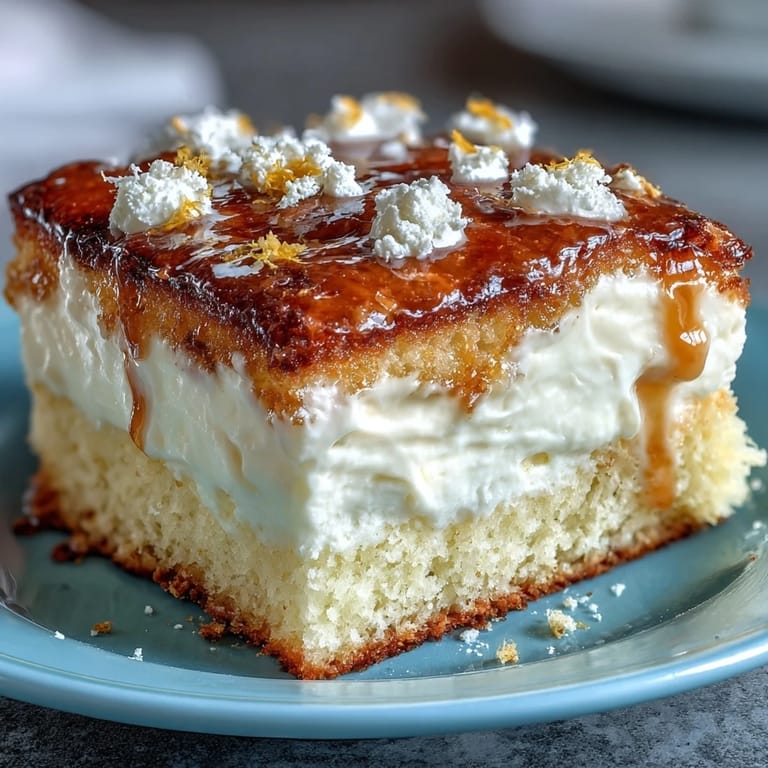
 One afternoon my kitchen filled with such a bright, lemony aroma that my kids asked if I'd opened a whole fruit stand in the oven. That smell—sharp and floral and promise all at once—is when I knew the tart had become more than just a recipe; it became a marker of a moment when everything felt possible and delicious at the same time.
Why This Tart Works
The magic lives in the contrast: the buttery, crisp crust against the silky, acidic filling creates a textural and flavor experience that lingers long after you've finished eating. The cold oven and gentle baking time ensure that the eggs in the filling cook gradually, creating that custard-like texture instead of becoming rubbery or broken. Every element—the zest, the juice, the butter—works in harmony to create something greater than its individual parts.
Making It Your Own
This tart is elegant exactly as written, but I've learned it also accepts your creative impulses gracefully. Blood orange, lime, or even a combination of citrus juices can replace some of the lemon for a different mood entirely, and adding a tablespoon or two of honey to the filling creates a subtle floral note that catches people off guard in the best way. Some bakers swear by a splash of limoncello in the filling, and they're not wrong.
Serving Suggestions and Timing
Make this tart up to a full day ahead and store it covered in the refrigerator—it actually tastes even better the next day once the flavors have settled into each other. Serve it lightly chilled or at room temperature with whipped cream, crème fraîche, or a scoop of vanilla ice cream that melts into the warm tart and turns it into pure comfort. This dessert pairs beautifully with a chilled glass of Sauternes or dry sparkling wine, which echoes the brightness of the lemon without competing with it.
- If you're nervous about the baking time, use a thermometer to check that the center reaches 165°F (74°C) for safety while still maintaining that slight wobble.
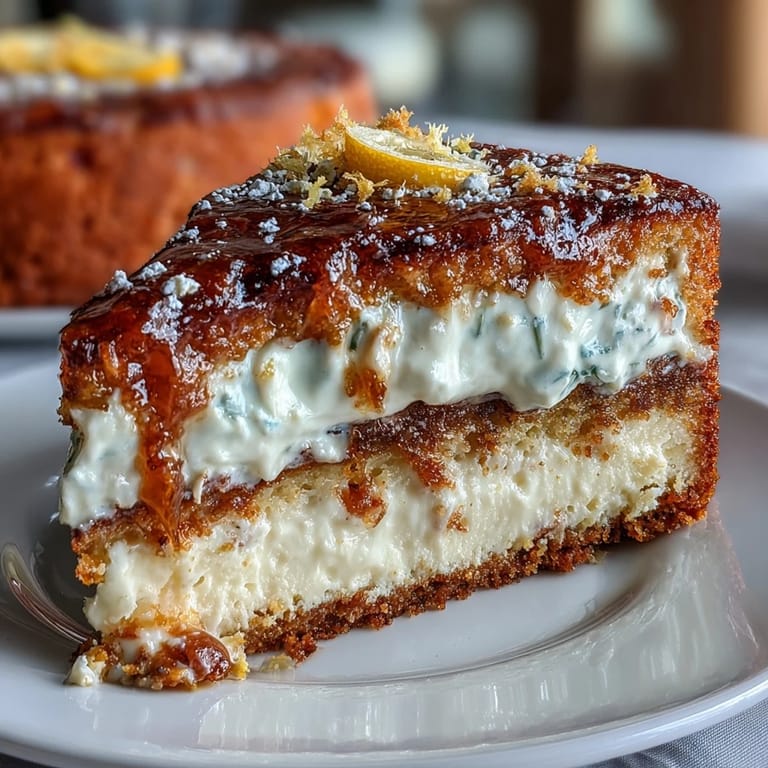
- Lemon tarts can crack slightly as they cool—this is normal and honestly adds to their charm, especially if you're dusting them with powdered sugar afterward.
- If your crust cracks during rolling or fitting, just patch it with a scrap of dough and press gently; no one will ever notice once the filling is in.
 Save to Pinterest
 This lemon tart taught me that elegance doesn't require complicated techniques or secret ingredients—just respect for timing, fresh lemons, and cold butter. Once you've made it once, you'll find yourself making it again and again, each time remembering why spring tastes like this.
Recipe FAQs
- → How do I achieve a crisp, buttery crust?
Keep the butter cold and work it quickly into the flour and sugar to create coarse crumbs. Chilling the dough before baking helps maintain texture.
- → What’s the best way to get a smooth lemon filling?
Whisk eggs, yolks, sugar, lemon juice, zest, and melted butter thoroughly until smooth before baking to ensure a silky texture.
- → Can I use other citrus juices instead of lemon?
Yes, blood orange or lime juice can be substituted for part or all of the lemon juice for a different flavor profile.
- → How long should the tart cool before serving?
Allow the tart to cool completely at room temperature, then chill in the refrigerator for at least 2 hours to set properly.
- → What garnishes complement this tart?
Powdered sugar dusting, thin lemon slices, fresh berries, or mint leaves add visual appeal and fresh flavor contrasts.