 Save to Pinterest
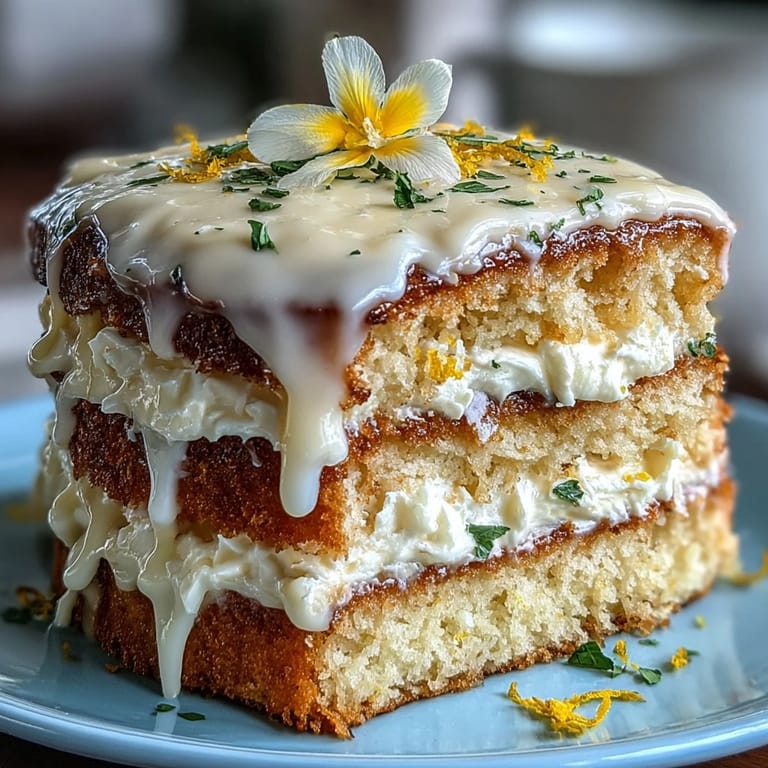
 Sunlight streamed through the kitchen window as I zested lemons, their bright perfume mingling with the gentle hum of a Sunday morning. Baking this layer cake quickly became my quiet ritual, not because of tradition, but the challenge of balancing plush sponge with tangy lemon curd was oddly meditative. The moment when the first swoosh of whipped cream touched the cake, speckled with zest, I felt a flutter of anticipation. Not every attempt was graceful—my first bloom arrangement looked more like a wild garden than a bouquet. But every time, the edible flowers brought the kind of cheer usually reserved for a fresh bouquet delivered to your door.
One spring, just before the blooms outside tilted toward summer, I made this cake while my mom and I laughed over whether pansies taste better than violas. She picked out the most colorful petals for the top, insisting that no matter how neatly I tried to arrange them, nature's messiness always looked prettier in the end.
Ingredients
- All-purpose flour: Creates a sturdy yet tender crumb that holds the layers together; make sure to measure by spooning into the cup and leveling.
- Baking powder and baking soda: I learned to use both so the cake bakes up fluffy but stays moist; always check freshness.
- Salt: A little brings bright flavors into balance and makes the sweetness pop.
- Unsalted butter: For unbeatable richness and flexibility in controlling salt—let it soften for easier creaming.
- Granulated sugar: Sweetens each component but also helps aerate the butter for that melt-in-your-mouth texture.
- Eggs: Room temperature eggs blend better, trust me, and create a smoother batter.
- Lemon zest and juice: Real lemons make the flavors sing—scrape just the yellow part to avoid bitterness.
- Vanilla extract: Rounds out the acidity and brings a subtle warmth to the cake.
- Whole milk: Adds moisture and richness; I let it take the chill off before mixing.
- Powdered sugar: Essential for cloudlike, stable whipped cream—sift if lumpy!
- Heavy cream: Makes the frosting luxuriously light; whip cold for best peaks.
- Edible flowers: The crowning touch; always source them carefully and brush off any pollen or bugs.
Tired of Takeout? 🥡
Get 10 meals you can make faster than delivery arrives. Seriously.
One email. No spam. Unsubscribe anytime.
Instructions
- Prep the pans and oven:
- Set the oven to 350 F and line three cake tins—running your finger along the parchment always feels like prepping a blank canvas.
- Mix the dry ingredients:
- Combine flour, baking powder, baking soda, and salt with a whisk so there are no pockets of surprises in your bite.
- Cream butter and sugar:
- Beat them until pale and fluffy; the sound of the mixer always sets the pace for the rest of the bake.
- Incorporate eggs and flavorings:
- Add eggs one at a time, then swirl in lemon zest, juice, and vanilla—the scent right now is optimistic.
- Blend and alternate dry and wet:
- Mix in the flour mixture in thirds, alternating with milk; stop as soon as everything is just barely smooth.
- Bake the cakes:
- Divide the airy batter and smooth the tops—don’t fuss too much; after 25 minutes you want springy, golden layers.
- Cool completely:
- Rest the cakes in their tins before turning out so they don’t collapse; I always sneak a warm crumb as a mini reward.
- Make lemon curd:
- Gently cook eggs, sugar, zest, and lemon juice until thickened, stirring without interruption; stir in cold butter for glossy silkiness.
- Whip the cream:
- Whisk cold heavy cream, powdered sugar, and vanilla until soft clouds form; unplanned arm workout if done by hand.
- Assemble the cake:
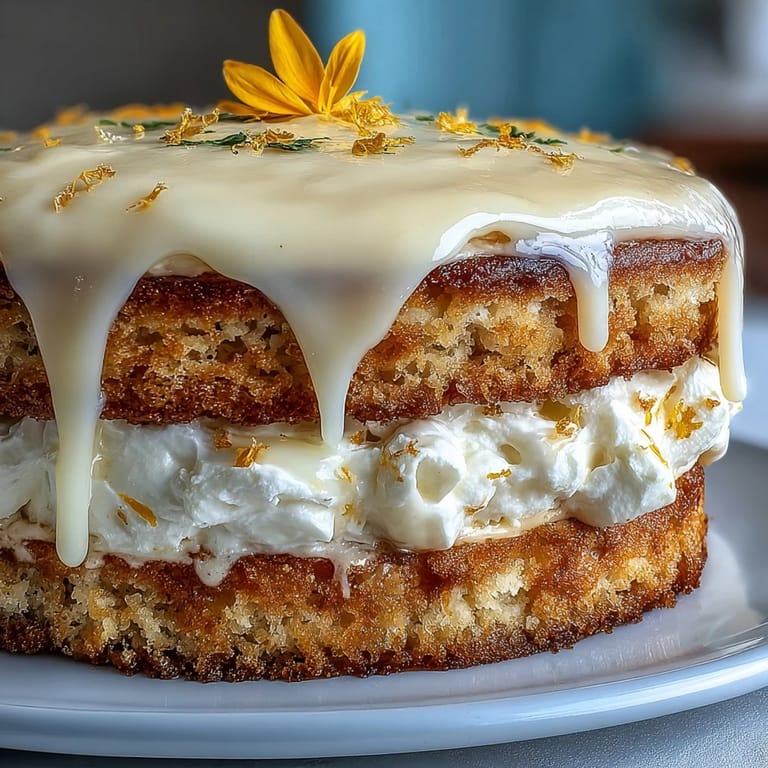
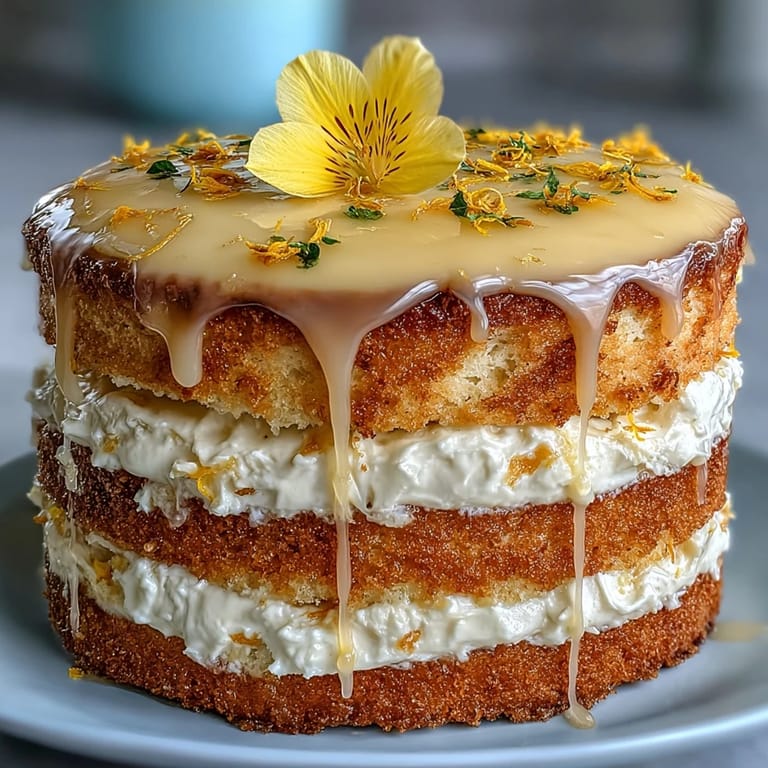
- Layer cake, whipped cream, and lemon curd, repeating with a light touch—too much pressure squishes the curd right out.
- Decorate with flowers:
- Scatter edible flowers over the finished cake just before serving; pause to admire their colors before digging in.
 Save to Pinterest
 The first time my niece helped with this cake, she plucked a pansy off the top and asked if it was actually magic that made the curd so yellow. Sharing a slice under fluttering petals turned a simple dessert into a memory I replay every spring.
How to Choose and Use Edible Flowers
Edible flowers are more than a pretty face—they add delicate, peppery, or floral notes if you choose wisely. I pick only what’s in season or buy from the market’s herb section, brushing off petals and double-checking for bugs. Avoid anything from florists or unfamiliar outdoor spots, as these may be treated with things you'd rather not eat. If you're nervous, start with pansies or violas—they taste mild and are easy to arrange. Try a tiny taste of each before decorating to see which flavors you enjoy most.
Layering Secrets for Showstopping Slices
Dab a little frosting on your serving plate before the first layer—it anchors your cake and prevents the dreaded slide. When adding the cream and curd, work from the center and don’t overdo it; spread gently with an offset spatula. If the curd seems thin, pop it back in the fridge for a few minutes. For perfectly even layers, I use a serrated knife to level each round, then brush crumbs off before stacking. The final swoop of whipped cream makes the whole cake look like an edible cloud.
Make-Ahead and Storage Tips
Both the sponge and lemon curd taste even better on day two—chilling brings the flavors together. Assemble the cake just before serving for the freshest look, especially if your flowers are delicate. If you need to cover leftovers, place a few toothpicks around the edge to keep plastic wrap from smushing the petals.
- Store leftover cake in the fridge and enjoy within two days.
- If making ahead, keep the components separate and assemble last-minute.
- Always cover lemon curd directly with wrap to prevent a skin from forming.
 Save to Pinterest
 This cake always manages to look as joyful as it tastes. Share it with someone who loves a little brightness on their plate and don't forget to scatter extra flowers—it's the small details that turn dessert into a celebration.
Recipe FAQs
- → Can lemon curd be made ahead?
Yes — lemon curd can be cooked, cooled, and refrigerated up to 3 days in an airtight container. Bring to room temperature briefly before spreading to avoid softening the whipped cream layers.
- → How do I keep whipped cream stable between layers?
Whip cream to stiff peaks and chill the bowl beforehand. For extra stability, fold in a small amount of mascarpone or a teaspoon of gelatin softened and dissolved in a little warm water.
- → Are there safe edible flowers to use for decorating?
Use food‑grade pansies, violas, nasturtiums or rose petals sourced from reputable suppliers. Always verify they are pesticide‑free and labeled for culinary use before placing them on the cake.
- → How can I ensure even cake layers?
Weigh or evenly divide batter between pans, tap to remove air bubbles, and rotate pans halfway through baking if your oven has hot spots. Let layers cool in pans 10 minutes before turning out to avoid breakage.
- → What variations work well with lemon curd and flowers?
Fold fresh berries into a layer for added texture, or brush cake layers with a light lemon syrup to boost moisture. Complement edible flowers with citrus zests for extra aroma.
- → How long will the assembled cake keep?
Store chilled and covered for up to 2 days; the whipped cream will soften over time so assemble no more than a day ahead for best texture. Keep decorations on until just before serving.