 Save to Pinterest
 There's something about the smell of hot oil and cinnamon that instantly transports me back to county fairs and carnival grounds, where elephant ears were always my first stop. I'd watch vendors stretch the dough with such casual ease, then flip them in sizzling oil until they puffed up like golden pillows. Years later, standing in my own kitchen with a batch of warm milk and yeast, I realized I could recreate that magic—and honestly, homemade versions taste even better because you can make them as crispy or pillowy as you prefer.
I made these for my daughter's school bake sale, and watching her friends devour them straight from the paper towels told me everything I needed to know—this recipe was a keeper. She asked if we could make them every weekend, which meant I'd finally cracked the code on recreating that fairground experience at home without the crowds or the inflated prices.
Ingredients
- Active dry yeast (2¼ teaspoons): This is what gives your dough its light, airy texture; make sure it's fresh and store it in the fridge to extend its life.
- Warm milk (1 cup): The temperature matters—too hot kills the yeast, too cold and it won't activate, so a kitchen thermometer is your friend here.
- Granulated sugar (½ cup plus 2 tablespoons): Part feeds the yeast, part creates that crispy-sweet crust that makes these irresistible.
- Unsalted butter (2 tablespoons melted, plus optional 2 tablespoons for brushing): Adds richness to the dough and helps the cinnamon sugar stick beautifully.
- Salt (½ teaspoon): Enhances flavor and strengthens the gluten structure without being noticeable.
- All-purpose flour (2½ to 3 cups): Start with less and add gradually; humidity in your kitchen affects how much you'll need.
- Vegetable oil (3 cups for frying): Use a neutral oil with a high smoke point—vegetable or canola works perfectly.
- Ground cinnamon (2 teaspoons): The star of the topping; fresh cinnamon makes a real difference in flavor.
Tired of Takeout? 🥡
Get 10 meals you can make faster than delivery arrives. Seriously.
One email. No spam. Unsubscribe anytime.
Instructions
- Wake up the yeast:
- Combine warm milk, yeast, and 2 tablespoons of sugar in a large bowl and let it sit for about 5 minutes until it's foamy and fragrant. This visual confirmation tells you the yeast is alive and ready to work its magic.
- Build the dough:
- Stir in the melted butter and salt, then gradually mix in flour until you have a soft, slightly sticky dough. Add flour a tablespoon at a time if needed—you want it to come together without being stiff or dry.
- Knead into smoothness:
- Knead on a lightly floured surface for about 5 minutes until the dough becomes elastic and smooth. You'll feel it transform under your hands from shaggy to silky.
- Let it rise:
- Place the dough in a greased bowl, cover it, and set it in a warm spot for about an hour until it's doubled in size. A turned-off oven with the light on, or near a sunny window, works beautifully.
- Prepare your coating:
- Mix the cinnamon and ½ cup sugar in a shallow dish so it's ready the moment your elephant ears come out of the oil.
- Shape and stretch:
- Divide the risen dough into 8 pieces, roll each into a ball, then gently stretch or roll each into a thin oval about 8 inches long. Don't worry about perfect symmetry—imperfect shapes actually fry more beautifully.
- Heat your oil:
- Bring 3 cups of vegetable oil to 350°F in a large, deep skillet or Dutch oven. Use a thermometer to be precise; too cool and they'll be greasy, too hot and they'll brown before puffing.
- Fry until golden:
- Working with one or two ovals at a time, carefully place them in the hot oil and fry for about 1 minute per side until they're deep golden and puffy. You'll hear a gentle sizzle and see them rise and bubble—that's exactly what you want.
- Drain and coat:
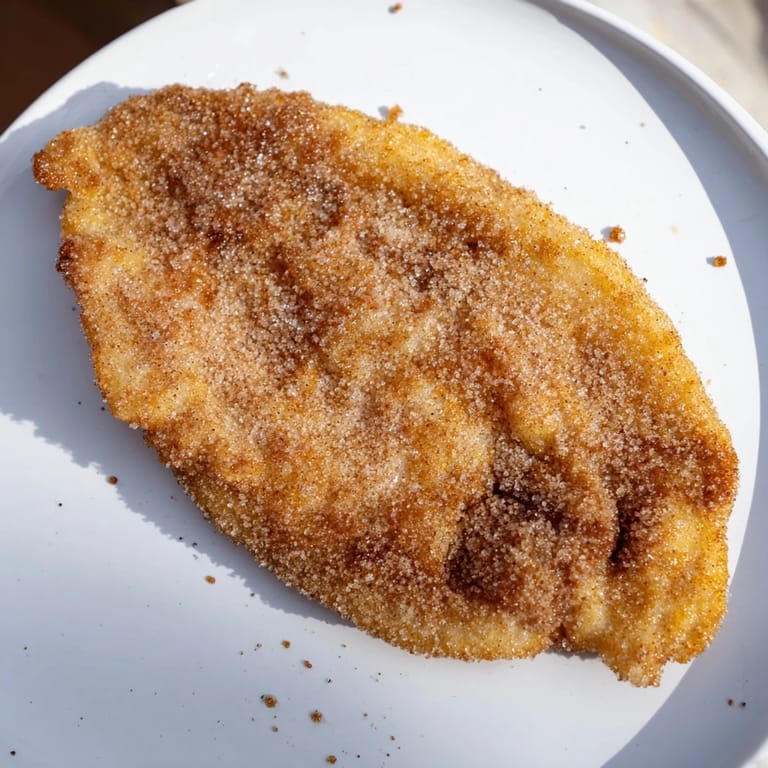
- Lift them out with a slotted spoon or tongs onto paper towels for just a moment, then while still warm, brush with melted butter if you like and immediately dredge both sides in the cinnamon sugar mixture so it sticks beautifully.
 Save to Pinterest
 The moment I pulled the first batch from the oil and coated it in that warm cinnamon sugar, my kitchen smelled exactly like the fair—and suddenly these weren't just fried dough anymore, they were a small piece of joy I could make anytime. Sharing warm elephant ears with people you love has a way of turning an ordinary afternoon into something special.
Serving and Pairing Ideas
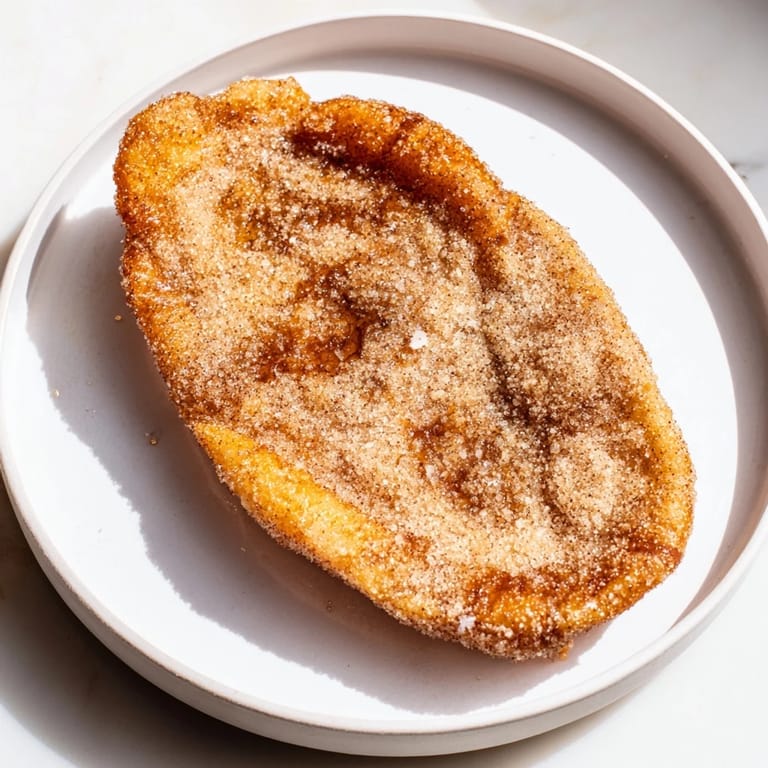
Serve these warm, ideally within a few minutes of coating them, when the cinnamon sugar is still clinging to the crispy exterior and the inside is still tender. They're perfect on their own, but a small cup of chocolate sauce, warm honey, or jam for dipping transforms them into something even more indulgent and memorable.
Storage and Make-Ahead Tips
The dough can be made up to 12 hours ahead and refrigerated, which means you can wake up and fry them fresh without the full wait. If you end up with leftovers (rare in my house), they'll keep in an airtight container for a couple of days, though they're best enjoyed fresh; you can briefly reheat them in a low oven to restore some crispness.
Flavor Variations and Extras
Once you've mastered the basic recipe, this is where you can have real fun experimenting with the flavors. A pinch of nutmeg in the dough adds warmth and complexity, while cardamom in the cinnamon sugar mixture creates something almost Scandinavian and sophisticated. You could even try dusting them with a mix of cinnamon, sugar, and a tiny bit of sea salt for a sweet-salty contrast that keeps people reaching for more.
- Add ¼ teaspoon nutmeg or ⅛ teaspoon cardamom to the dough for subtle depth.
- Dust with fleur de sel mixed into the cinnamon sugar for an elegant twist.
- Drizzle with melted dark chocolate or serve alongside fresh whipped cream for special occasions.
 Save to Pinterest
 Making elephant ears at home is one of those small kitchen victories that yields disproportionate joy, both in the making and the eating. Once you've tasted a warm, homemade version, you'll understand why they've been a carnival staple for generations.
Recipe FAQs
- → What type of dough is used for elephant ears?
A yeast-leavened dough made with warm milk, sugar, butter, salt, and all-purpose flour is used to achieve a soft, elastic texture that puffs when fried.
- → How thin should the dough be rolled?
The dough should be stretched or rolled into thin ovals about 8 inches long to ensure crispiness and even frying.
- → What oil temperature is ideal for frying?
Heating the oil to 350°F (175°C) creates the perfect conditions for golden, evenly cooked dough with a crispy surface.
- → Can elephant ears be flavored differently?
Yes, adding a pinch of nutmeg to the dough enhances flavor, and serving with sauces like chocolate or honey adds variation.
- → How should elephant ears be served?
Serve them warm, brushed with melted butter and generously coated in cinnamon sugar for a classic sweet finish.