 Save to Pinterest
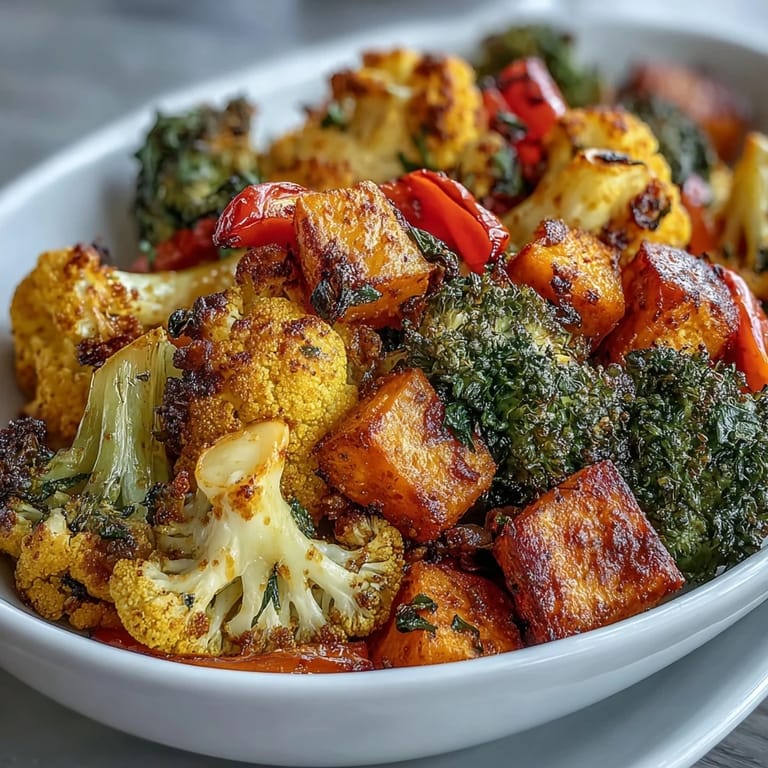
 There's something almost meditative about spreading golden-spiced vegetables across a baking sheet, watching them transform from raw and humble to caramelized and glowing. I discovered this recipe on a particularly gray afternoon when I needed something that felt like self-care but tasted like actual food, not a wellness trend. The turmeric caught my eye first, but it was the way the spices played together that made me keep coming back to this one. Now it's become my go-to when I want to feed people something that nourishes without announcing itself.
I made this for a friend who was recovering from being run-down, and she texted me the next day saying she'd eaten the leftovers cold straight from the fridge like snacks. That moment changed how I think about side dishes—they don't have to hide on the plate or apologize for being vegetables.
Ingredients
- Cauliflower florets, 2 cups: They crisp up beautifully and absorb the spice blend like little golden sponges, becoming almost nutty.
- Broccoli florets, 2 cups: The stems get tender while the florets char slightly, giving you texture in one ingredient.
- Sweet potato, 1 large, peeled and cubed: This is what makes the dish feel substantial; the sweetness softens the earthiness of the other vegetables.
- Carrots, 2 medium, sliced: Cut them on a slight bias so they roast evenly and look a bit more intentional.
- Red bell pepper, 1, cut into chunks: Don't slice too thin or it'll disappear into itself; chunky pieces hold their shape and sweetness.
- Red onion, 1 small, cut into wedges: The edges caramelize into something completely different from how they started.
- Extra-virgin olive oil, 2 tbsp: Good oil matters here because it's one of only a few ingredients; cheap oil tastes like regret.
- Ground turmeric, 1 ½ tsp: This is the star, so don't skip it or reduce it thinking you're being subtle.
- Ground cumin, 1 tsp: It adds warmth and depth that makes people ask what the secret ingredient is.
- Ground coriander, ½ tsp: A small amount goes a long way, adding something almost floral if you pay attention.
- Smoked paprika, ½ tsp: This creates depth and a whisper of smokiness without overpowering anything.
- Ground black pepper, ¼ tsp: Not for heat, but for unlocking the turmeric's good properties.
- Sea salt, ¾ tsp: Coarser salt dissolves better and distributes more evenly than table salt.
- Lemon juice, 1 tbsp: Added at the end, it brightens everything and cuts through the richness.
- Fresh cilantro or parsley, 2 tbsp chopped: Completely optional, but it adds freshness that makes people notice the dish is more than just roasted vegetables.
Tired of Takeout? 🥡
Get 10 meals you can make faster than delivery arrives. Seriously.
One email. No spam. Unsubscribe anytime.
Instructions
- Get your oven ready:
- Preheat to 425°F and line a baking sheet with parchment paper so nothing sticks and cleanup feels like a gift to your future self.
- Prep all the vegetables:
- Cut everything into roughly the same size so it roasts at the same pace; uneven pieces leave you with some raw and some burnt.
- Make your spice paste:
- Whisk the olive oil with all the spices in a small bowl until it smells warm and inviting, like you're about to do something worthwhile.
- Coat everything evenly:
- Pour the spice mixture over the vegetables and toss with your hands or two spoons until every piece has a light golden coating; this is where patience pays off.
- Arrange on the sheet:
- Spread vegetables in a single layer with space between pieces so they roast instead of steam.
- Roast with one stir:
- Roast for 25 to 30 minutes, stirring halfway through; you'll know they're done when the edges are lightly caramelized and a fork goes through the sweet potato easily.
- Finish with brightness:
- Drizzle with lemon juice and scatter fresh herbs on top while everything's still warm so the flavors wake up.
- Serve it warm:
- Eat it as a side dish or pile it over grains for something more complete and satisfying.
 Save to Pinterest
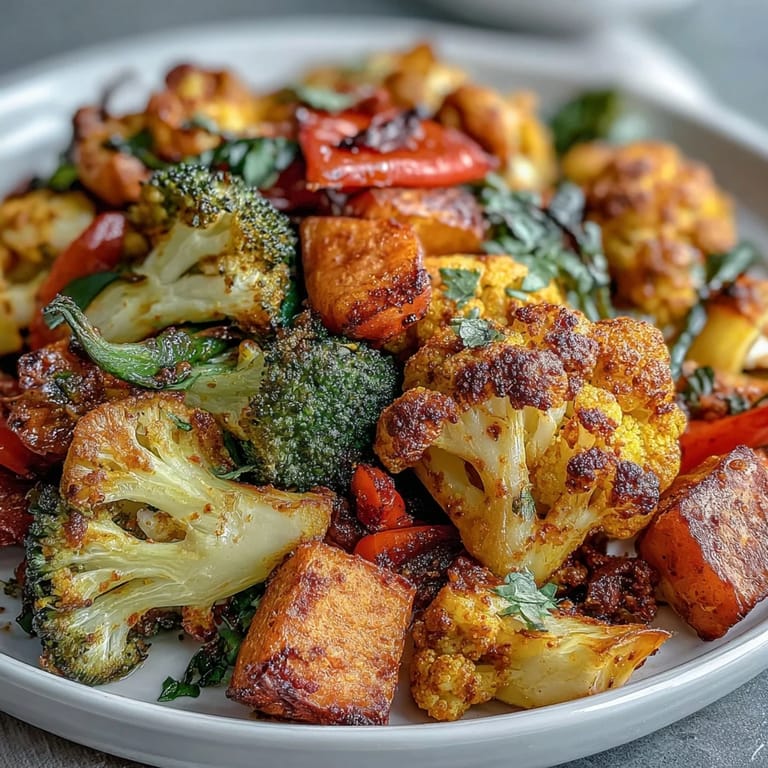
 This dish became something more than a side when someone told me their doctor recommended anti-inflammatory foods and my first thought was to make this. Not because it's fancy or because I'm trying to fix anyone, but because feeding people something warm and thoughtfully spiced feels like showing up for them.
Swapping Vegetables by Season
The beauty of this recipe is that it doesn't depend on specific vegetables; it's really about technique and spice. Brussels sprouts get almost crispy and bitter in the best way, butternut squash adds sweetness that plays differently with the turmeric, and zucchini becomes tender and absorbs flavors like it was meant for this. I've made this with whatever looked good at the market, and it's been different every time but always right. The spice blend is generous enough to make almost anything taste intentional.
Serving Suggestions That Actually Work
The vegetables alone are satisfying, but they're also forgiving enough to play with other dishes. I've served them over quinoa with a dollop of cashew yogurt and watched people go quiet in that good way that means they're actually tasting what's in front of them. A squeeze of lime instead of lemon changes the whole mood, making it feel more vibrant and less earthy. They're also inexplicably good cold the next day straight from the fridge, which is how I've eaten them more times than I'd like to admit while standing in front of an open refrigerator at odd hours.
The Story Behind This Spice Blend
I put together this particular combination after reading about how certain spices work together, not just in flavor but in how they work with turmeric's anti-inflammatory properties. The cumin adds warmth, the coriander softens everything with something almost subtle, and the smoked paprika gives it all a reason to exist beyond nutrition. It's a blend that tastes like intention without tasting like a supplement, which is the whole point. This is the kind of recipe that makes you believe vegetables are worth the attention you're giving them.
- Black pepper actually helps your body absorb turmeric better, so it's not just flavoring.
- These spices work in Mediterranean, Indian, and Middle Eastern cuisines, making the dish feel both familiar and a little surprising.
- You can toast whole spices and grind them yourself if you want to take it further, but the recipe works beautifully with ground spices from your cabinet.
 Save to Pinterest
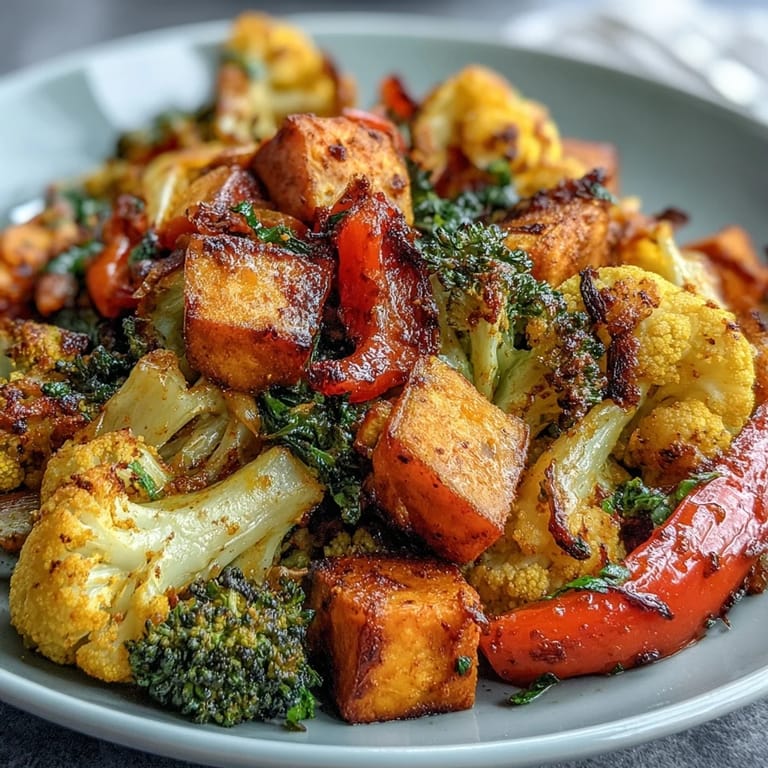
 This recipe exists because I wanted something that felt good to make and even better to eat, something that doesn't require apologies or explanations. It's become the kind of dish I make when I'm cooking for people I care about, not because it's impressive, but because it's honest.
Recipe FAQs
- → What vegetables work best for turmeric roasting?
Hardy vegetables like cauliflower, broccoli, sweet potatoes, carrots, and bell peppers hold up beautifully to roasting. They absorb the turmeric spices while maintaining their texture. Brussels sprouts, butternut squash, and zucchini are excellent seasonal alternatives.
- → How do I prevent turmeric from staining?
Turmeric's vibrant yellow pigment can stain surfaces and clothing. Work on a protected surface and wear an apron if you're concerned. Most baking sheets clean easily with soap and warm water. Any residue on hands fades within a day or two.
- → Why add black pepper to turmeric vegetables?
Black pepper contains piperine, which enhances turmeric absorption by up to 2000%. This traditional pairing ensures your body receives maximum anti-inflammatory benefits. The pepper also adds subtle warmth that complements the other spices.
- → Can I prepare these vegetables ahead of time?
You can chop and coat the vegetables up to 24 hours in advance. Store them in an airtight container in the refrigerator. When ready to cook, spread them on the baking sheet and roast as directed. Leftovers reheat beautifully at 350°F for 10-15 minutes.
- → What proteins pair well with these spiced vegetables?
These vegetables complement chickpeas, lentils, or grilled chicken perfectly. Serve over quinoa or brown rice for added protein. The dish also shines alongside fish or as part of a grain bowl with roasted tofu.
- → How do I know when the vegetables are done?
The vegetables are ready when they're tender when pierced with a fork and have golden, lightly crisped edges. The natural sugars should be caramelized. Stirring halfway through ensures even cooking. Total time is typically 25-30 minutes at 425°F.