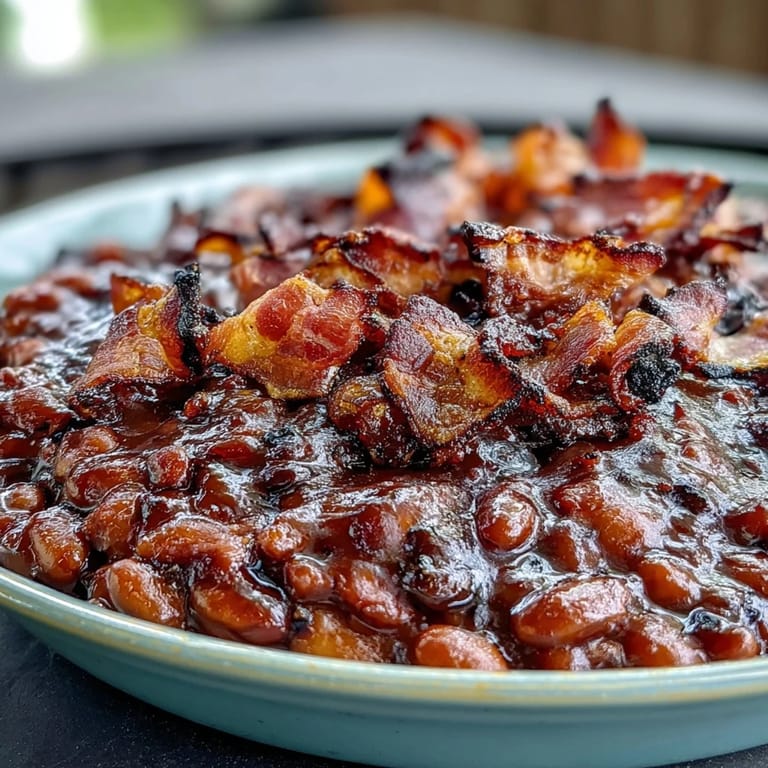
 Save to Pinterest
 My neighbor showed up to a Fourth of July potluck with these baked beans one summer, and I watched them disappear faster than the hot dogs on the grill. She wouldn't share her recipe until I promised to stop buying the canned stuff from the store. Once I made them myself, I understood the magic—it wasn't just about throwing ingredients together, but about respecting how brown sugar and bacon transform something as simple as canned beans into something people actually fight over. Now every barbecue season, someone asks me to bring them, and honestly, I've stopped trying to delegate this one.
I made this for a spontaneous dinner party on a Tuesday night when a friend called saying they were in the neighborhood. I didn't have time for anything fancy, so I raided my pantry—canned beans, bacon from the fridge, the usual suspects. While the oven did its thing, we sat on the porch with drinks, and when those beans came out bubbling and smelling like a county fair, my friend looked at me like I'd been hiding my culinary talents the whole time. Turns out, the best dishes are often the ones you throw together without overthinking.
Ingredients
- Canned navy beans (4 cups, about 2 cans): Rinsing them removes the excess sodium and starch, which keeps the sauce from getting gluey—learned that lesson the hard way years ago.
- Thick-cut bacon (8 slices, chopped): The thicker cuts hold their texture better than regular bacon, and you'll want to reserve 2 tablespoons for a crispy topping.
- Yellow onion (1 medium, finely diced): Dice it small so it practically melts into the sauce and sweetens naturally as it cooks.
- Green bell pepper (1, finely diced): Adds a gentle vegetal note that keeps the sweetness from feeling one-dimensional.
- Ketchup (3/4 cup): This is your umami base—don't skip it or substitute, it's what makes people ask what that *something* is.
- Dark brown sugar, packed (1/2 cup): Pack it down when measuring so you get the actual weight; loose brown sugar gives you less sweetness than the recipe intends.
- Molasses (1/4 cup): This adds a subtle depth and helps the sauce stay glossy after baking—you'll notice the difference if you try to skip it.
- Dijon mustard (2 tablespoons): It's there to cut through the sweetness and add a little sophistication without being obvious about it.
- Worcestershire sauce (2 tablespoons): Use gluten-free if needed; this is what makes people think you added way more complexity than you actually did.
- Apple cider vinegar (1 tablespoon): A small splash that brightens everything—think of it as the finish line that brings all those flavors together.
- Smoked paprika (1 teaspoon): Even though there's bacon, the paprika adds an extra layer of smokiness that lingers after you swallow.
- Garlic powder and black pepper (1/2 teaspoon each): Basic but essential—garlic powder dissolves into the sauce where fresh garlic would just get lost.
- Salt and optional cayenne (1/4 teaspoon each): Add the cayenne only if you like heat creeping up on you slowly; a quarter teaspoon is honestly perfect for most gatherings.
Tired of Takeout? 🥡
Get 10 meals you can make faster than delivery arrives. Seriously.
One email. No spam. Unsubscribe anytime.
Instructions
- Get your oven ready and start the bacon:
- Preheat to 350°F—this temperature lets everything cook gently without the sauce reducing too fast and burning on the edges. While that's warming, get your large oven-safe skillet (or Dutch oven) over medium heat and let the bacon go until it's crispy enough that you hear it crackling, then scoop it out with a slotted spoon, leaving about 2 tablespoons of that rendered fat behind.
- Soften the vegetables in the bacon fat:
- Toss your diced onion and bell pepper into that bacon-flavored fat and let them get soft and slightly translucent, about 4 to 5 minutes—this is when your kitchen starts smelling like something good is happening. You'll notice the onion starts losing its bite and the pepper gets a little tender; that's exactly what you're after.
- Combine everything in the pot:
- Add your drained beans and all those sauce ingredients—ketchup, brown sugar, molasses, mustard, Worcestershire, vinegar, and the spices—to the pan with the softened vegetables and cooked bacon (save those 2 tablespoons of bacon for topping). Stir until everything is coated and combined, then let it come to a gentle simmer right there on the stovetop for a minute or so.
- Transfer to the oven if needed and add the topping:
- If your skillet isn't oven-safe, pour the whole thing into a baking dish now, then sprinkle that reserved bacon over the top so it gets crispy in the heat. If you're already in an oven-safe pan, just do the bacon sprinkle right there.
- Bake low and patient:
- Slide it into that 350°F oven uncovered for about 1 hour—the whole time, the sauce is bubbling gently at the edges, thickening up, and the flavors are getting to know each other. You'll know it's ready when the sauce looks darker and thicker and the edges are gently bubbling.
- Rest before serving:
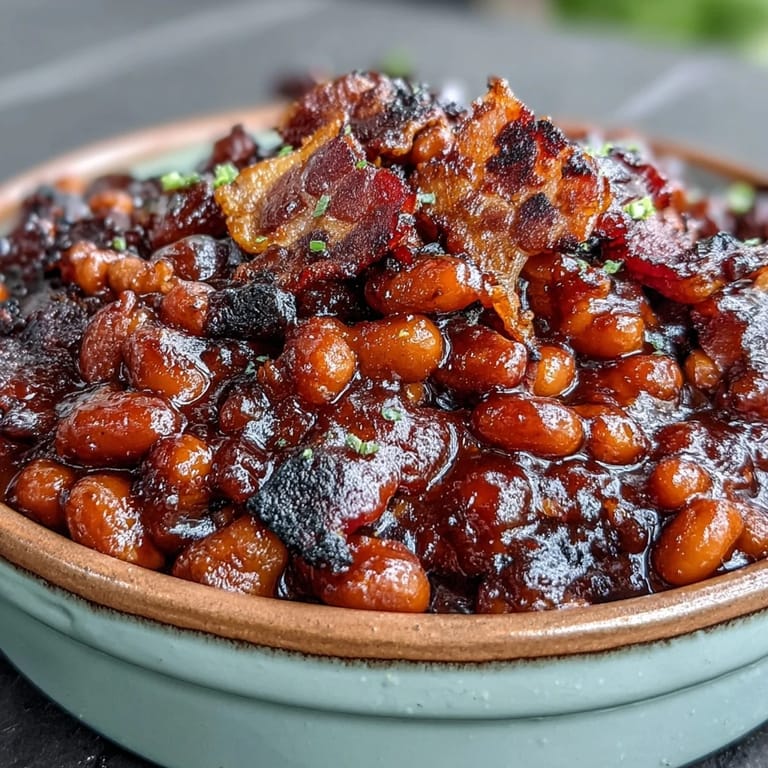
- Let it cool for 10 minutes once you take it out of the oven; this isn't just about not burning your mouth, it's about letting the beans absorb all that sauce. The difference between serving it hot-out-of-the-oven and letting it rest is noticeable.
 Save to Pinterest
 I served these at a wedding reception where I was helping a friend cater in her backyard, and watching people come back for seconds of a side dish—a *side* dish—was the kind of small victory that reminds you why you cook. It was just beans, but it tasted like summer and effort and knowing your audience.
Why This Works as a Crowd Pleaser
Baked beans occupy this magical space where they're humble enough to feel accessible but impressive enough that people think you've been cooking all day. The brown sugar catches people's attention because it's sweet, but the vinegar and mustard keep it from tasting like dessert. Everyone has a memory tied to baked beans—whether it's a family recipe or a potluck from childhood—so making a really good version feels like you're giving people permission to care about something they might have dismissed as boring.
Make-Ahead and Storage
This is actually better the next day, which almost never happens with baked goods but constantly happens with savory stuff. You can prepare everything through the sauce-combining step, cover it, and stick it in the fridge overnight, then bake it the next day—just add 10 to 15 minutes to the cooking time since you're starting from cold. Leftovers keep for about 4 days in a covered container, and reheating them gently on the stovetop with a splash of water or broth keeps them from drying out.
Variations and Swaps
If you're cooking for vegetarians, swap the bacon for 2 tablespoons of olive oil and add an extra pinch of smoked paprika to compensate for that smoky-savory thing the bacon provides. Some people add a splash of hot sauce right at the end for a gentle heat that builds slowly, and others throw in some diced jalapeños with the peppers if they want something fresher. You can experiment with different bean varieties too—black beans, kidney beans, or even a mix—though navy beans have this subtle sweetness that works best with the sauce as written.
- Add 2 tablespoons of bourbon or whiskey to the sauce for a depth that catches people off guard in the best way.
- If you prefer less heat, skip the cayenne entirely; if you want more, add up to 1/2 teaspoon and taste as you go.
- Brown the onions a little longer if you like them sweeter and more caramelized, but watch that you don't scorch the bacon fat.
 Save to Pinterest
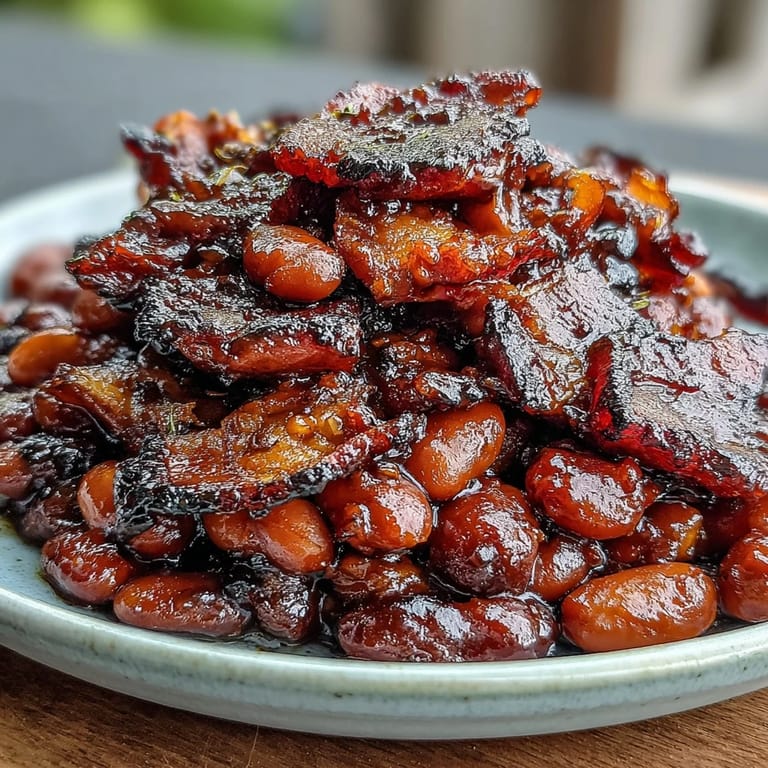
 These beans have become the thing people remember about the meal long after the main course is forgotten. There's something honest about them, something that says you cared enough to get the details right.
Recipe FAQs
- → How do I make this dish vegetarian?
Simply omit the bacon and use 2 tablespoons of olive oil to sauté the onions and peppers to maintain richness and flavor.
- → Can I prepare this ahead of time?
Yes, the beans keep well refrigerated for up to 4 days. Reheat gently on the stove or in the oven before serving.
- → What is the best type of beans to use?
Use canned navy beans for tender texture and even cooking, ensuring they are drained and rinsed before use.
- → Can I add heat to the dish?
Yes, add a splash of hot sauce or increase cayenne pepper to taste for a spicy kick.
- → What cooking equipment is recommended?
A large oven-safe skillet or Dutch oven works best for sautéing and baking the beans evenly.