 Save to Pinterest
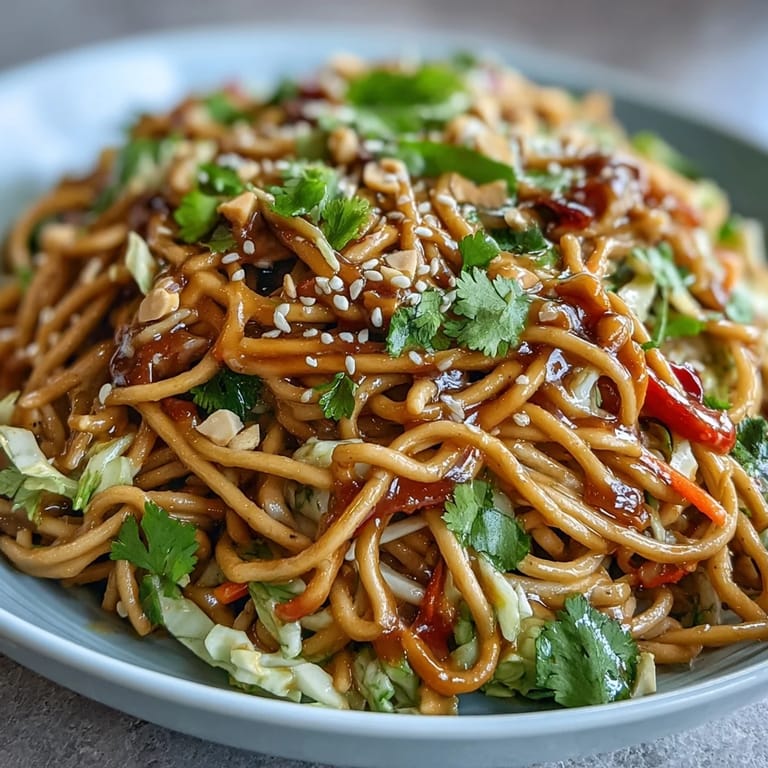
 One afternoon, my friend showed up at my door with a bag of soba noodles and a challenge: make something that didn't taste like typical takeout. I had peanut butter in the pantry, some vegetables wilting in the crisper, and exactly twenty minutes before she had to leave. The result was this salad, which tasted so unexpectedly bright and satisfying that she asked for the recipe before finishing her bowl. Now it's become my go-to when I need something that feels restaurant-quality but comes together without fuss.
I made this for a potluck last summer where everyone brought something heavy and mayo-based. This salad arrived at the table and people actually went back for seconds, which almost never happens with a vegetable dish. Someone asked if it was from a restaurant, and I remember feeling genuinely proud that something so simple could make that kind of impression.
Ingredients
- Soba Noodles (200 g): These Japanese buckwheat noodles have a subtle earthiness that grounds the whole dish, and they cook in about four minutes, which is why this meal moves so fast.
- Red and Green Cabbage (1 cup each, thinly sliced): The contrast between these two gives you visual pop and a textural play between tender and crisp that makes the dish feel alive.
- Carrot (1 medium, julienned): Julienning takes thirty seconds with a sharp knife and transforms a plain vegetable into something that catches the light on your plate.
- Red Bell Pepper (1 small, thinly sliced): This adds sweetness that balances the heat from the sriracha, so you're not drowning in spice.
- Scallions (3, sliced): They provide a sharpness that cuts through the richness of the peanut butter and keeps the whole thing from feeling heavy.
- Fresh Cilantro (1/2 cup, chopped): If you're not a cilantro person, use parsley instead, but cilantro really does change the character of this dish in the best way.
- Natural Peanut Butter (1/3 cup): Skip the sweetened versions and use the kind where oil sits on top, because that's where all the real flavor lives.
- Soy Sauce or Tamari (2 tbsp): Tamari is your friend if you're cooking gluten-free, and honestly, the flavor difference is minimal enough that you won't miss anything.
- Rice Vinegar (1 tbsp): This is milder than white vinegar and brings a gentle brightness without aggressive sourness.
- Maple Syrup (1 tbsp): It dissolves smoothly into warm water and adds depth that regular sugar can't quite achieve.
- Toasted Sesame Oil (1 tbsp): This is non-negotiable because regular sesame oil tastes like nothing, but toasted sesame oil tastes like someone actually cared about flavor.
- Sriracha (1-2 tsp): Start with one teaspoon and taste before adding more, because this is your heat meter and everyone's tolerance is different.
- Garlic and Ginger (2 cloves garlic minced, 1 tsp ginger grated): These two together create an aromatic base that makes the dressing taste restaurant-quality instead of homemade.
- Warm Water (2-3 tbsp): This thins the dressing to the right consistency, and warm water whisks in more smoothly than cold.
- Roasted Peanuts and Sesame Seeds (2 tbsp and 1 tbsp): These are optional but they add a final crunch and richness that makes the dish feel intentional rather than simple.
- Lime Wedges: A squeeze of fresh lime right before eating brightens everything and makes your taste buds wake up.
Tired of Takeout? 🥡
Get 10 meals you can make faster than delivery arrives. Seriously.
One email. No spam. Unsubscribe anytime.
Instructions
- Boil the soba noodles:
- Fill a large pot with water and bring it to a rolling boil, then add the noodles and stir immediately so they don't stick to the bottom. Cook for about four minutes (check your package, but it's usually shorter than regular pasta), then drain and rinse under cold water until they're completely cool and separated.
- Build the slaw base:
- In a large mixing bowl, combine the sliced cabbage, julienned carrot, sliced bell pepper, and scallions, then toss gently with your hands so everything mingles. The vegetables release a little moisture, which is fine and actually helps everything taste cohesive.
- Make the dressing:
- In a medium bowl, whisk together the peanut butter, soy sauce, rice vinegar, maple syrup, and sesame oil until it starts to come together. Add the minced garlic, grated ginger, and sriracha, then whisk again, and add warm water one tablespoon at a time until the dressing moves like honey off a spoon.
- Combine everything:
- Add the cooled soba noodles and fresh cilantro to the bowl with the slaw, then pour the dressing over everything and toss with two large spoons or chopsticks until every noodle and vegetable piece is coated. This is the moment where it transforms from separate ingredients into something unified.
- Serve and garnish:
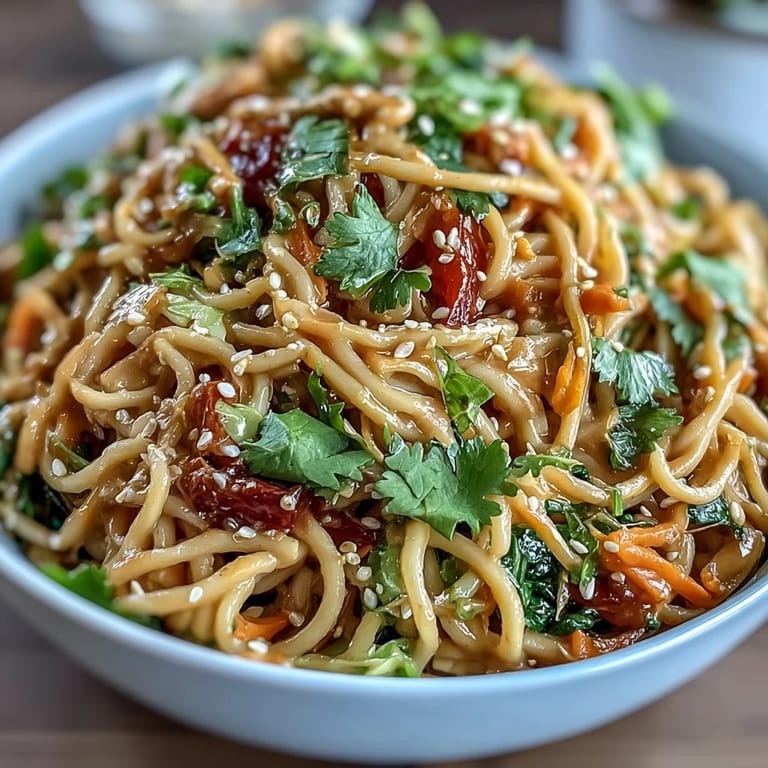
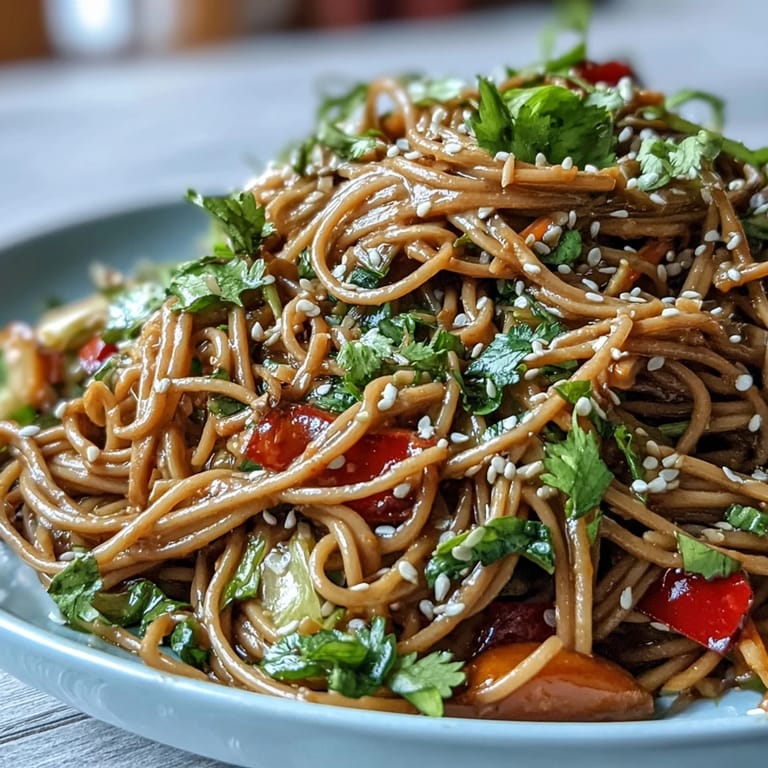
- Divide the salad among serving bowls and top with chopped peanuts, sesame seeds, and a lime wedge, then serve immediately if you like it at room temperature or chill it for thirty minutes if you prefer it cold. Either way, squeeze that lime wedge right over the top right before eating.
 Save to Pinterest
 My partner took one bite of this and declared it their favorite thing I'd made in months, which was shocking because they usually prefer comfort food. That moment made me realize how restaurant-quality flavors don't require complicated techniques, just respect for good ingredients and a little attention to balance.
Why This Salad Works
The magic here is in the contrast between soft noodles and crunchy vegetables, warm dressing and cold greens, sweet and spicy all hitting your palate at once. Nothing is cooked except the noodles, so you're not losing any nutrients or crispness, and the whole thing comes together in the time it takes to boil water and slice vegetables. The peanut dressing is forgiving enough that you can adjust it to match your mood and spice tolerance without ruining anything.
Making It Your Own
I've added shredded edamame when I had it, swapped the peanut butter for almond butter on days when the peanut flavor felt too heavy, and even stirred in a tablespoon of coconut milk to make it creamy when I was feeling indulgent. The base is flexible enough to handle whatever fresh vegetables you have on hand, so it's the kind of recipe that adapts to your kitchen rather than demanding a specific shopping list. Once you understand the ratio of dressing to noodles, you can scale it up for a crowd or down for a solo lunch without thinking twice.
Storage and Serving
This salad keeps beautifully in the refrigerator for up to two days, though the slaw will gradually soften and the noodles will absorb more dressing, which some people actually prefer because the flavors get more cohesive. If you're packing it for lunch, keep the dressing separate and toss everything together right before eating so you can control the wetness level. I've also discovered that making extra and eating it cold straight from the fridge at midnight is a perfectly valid life choice.
- For extra protein without adding tofu, stir in some roasted chickpeas or scatter edamame on top.
- If you make this ahead, taste it before serving because you might need an extra squeeze of lime or sprinkle of sriracha to wake up the flavors.
- Double the dressing recipe and store it separately so you can use it as a dip for vegetables or a sauce for grain bowls throughout the week.
 Save to Pinterest
 This recipe exists because I was curious and a little bit impatient, and it turned into something I return to constantly. It's the kind of dish that makes you feel like you've figured something out in the kitchen.
Recipe FAQs
- → How should soba noodles be cooked for this dish?
Cook soba noodles according to package directions, then rinse under cold water to stop cooking and remove excess starch, ensuring a firm texture.
- → Can the spice level be adjusted?
Yes, adjust sriracha amounts in the peanut dressing to suit preferred spice levels, from mild to extra spicy.
- → What can be added for extra protein?
Incorporate baked tofu or edamame to boost protein content while keeping the dish vegan.
- → Is this dish suitable for gluten-free diets?
Use gluten-free soba noodles and tamari in place of soy sauce to ensure the salad is gluten-free friendly.
- → How long can leftovers be stored?
Store leftovers in the refrigerator for up to 2 days. For best texture, consume chilled but toss before serving.
- → What garnishes complement the salad?
Top with chopped roasted peanuts, sesame seeds, and lime wedges to enhance flavor and presentation.