 Save to Pinterest
 There's something about the smell of cornmeal hitting a hot griddle that instantly transports me back to my grandmother's kitchen on lazy Sunday mornings. She'd make these golden flapjacks with a texture that was nothing like the regular pancakes I grew up eating—each bite had this subtle, almost sweet corn flavor that made you slow down and actually taste what you were eating. I spent years trying to recreate them from memory, tweaking ratios and wondering why mine never quite matched hers until one afternoon everything clicked into place. Now when I make them, I feel like I'm sharing a piece of her in every stack.
I made these for my roommate after she came home exhausted from a double shift, and watching her face light up as she bit into one was worth every minute of prep. She asked for the recipe immediately, which I've learned is the truest compliment a cook can receive. That's when I realized these flapjacks had crossed over from being just my grandmother's thing into becoming something I could actually call my own.
Ingredients
- All-purpose flour: Use it as your base, but don't pack it down when measuring or you'll end up with dense, sad pancakes.
- Yellow cornmeal: This is what makes the dish, so get actual cornmeal and not corn flour—the texture is completely different and that grittiness is essential.
- Granulated sugar: Just two tablespoons, which adds sweetness without making these syrup-dependent.
- Baking powder and baking soda: The baking soda reacts with the buttermilk and gives you that lift; skip it and they'll be pancakes, not flapjacks.
- Salt: A half teaspoon cuts through the sweetness and brings out the corn flavor in a way that's almost magical.
- Eggs: They bind everything together and add richness that makes these feel more substantial than regular pancakes.
- Buttermilk and whole milk: The buttermilk reacts with the baking soda for lift, while the whole milk keeps things tender—use both, not just one.
- Melted butter: Cool it before mixing or you'll scramble the eggs; this is one of those small things that matters.
- Fresh or frozen corn kernels: Fresh is lovely if you have it, but frozen works just as well and sometimes tastes sweeter.
- Butter or oil for cooking: Butter gives better flavor, but oil is more forgiving if you're new to griddle cooking.
Tired of Takeout? 🥡
Get 10 meals you can make faster than delivery arrives. Seriously.
One email. No spam. Unsubscribe anytime.
Instructions
- Combine your dry team:
- Whisk the flour, cornmeal, sugar, baking powder, baking soda, and salt together in a large bowl, making sure to break up any little lumps of baking soda that might be hiding. This step takes less than a minute but sets you up for success.
- Prepare the wet mixture:
- Beat the eggs in a separate bowl, then add the buttermilk, whole milk, and cooled melted butter, whisking until everything comes together. The cooled butter matters here—if it's still hot, it'll scramble the eggs and create tiny flecks of cooked egg throughout your batter, which isn't the end of the world but not ideal.
- Bring them together gently:
- Pour the wet ingredients into the dry and stir with a gentle hand until just combined; you want a slightly lumpy batter, not a smooth one. Overmixing develops the gluten and gives you tough, dense flapjacks that nobody asked for.
- Add the corn and rest:
- Fold in the corn kernels, then let the batter sit for exactly 5 minutes—this gives the cornmeal time to absorb moisture and the baking soda time to activate. It's a small pause that makes a noticeable difference in the final texture.
- Get your cooking surface ready:
- Heat a nonstick skillet or griddle over medium heat and lightly grease it with butter or oil. If you're using butter, it should foam gently when the pan is ready; if it smokes, your heat is too high.
- Cook the first side:
- Pour about 1/4 cup of batter onto the skillet for each flapjack and let it cook undisturbed until bubbles form on top and the edges look set and slightly dry, usually 2–3 minutes. Resist the urge to move them around; they need that time to develop a nice golden bottom.
- Flip and finish:
- Once the edges are set and bubbles have popped on the surface, flip each one gently and cook for another 2 minutes until the second side is golden and the center is cooked through. You can press gently with a spatula if you want to check doneness, but try not to flatten them.
- Keep the rhythm:
- Repeat with the remaining batter, greasing the skillet between batches as needed. If the pan starts to smoke between batches, wipe it down quickly with a paper towel to prevent burning.
- Serve immediately:
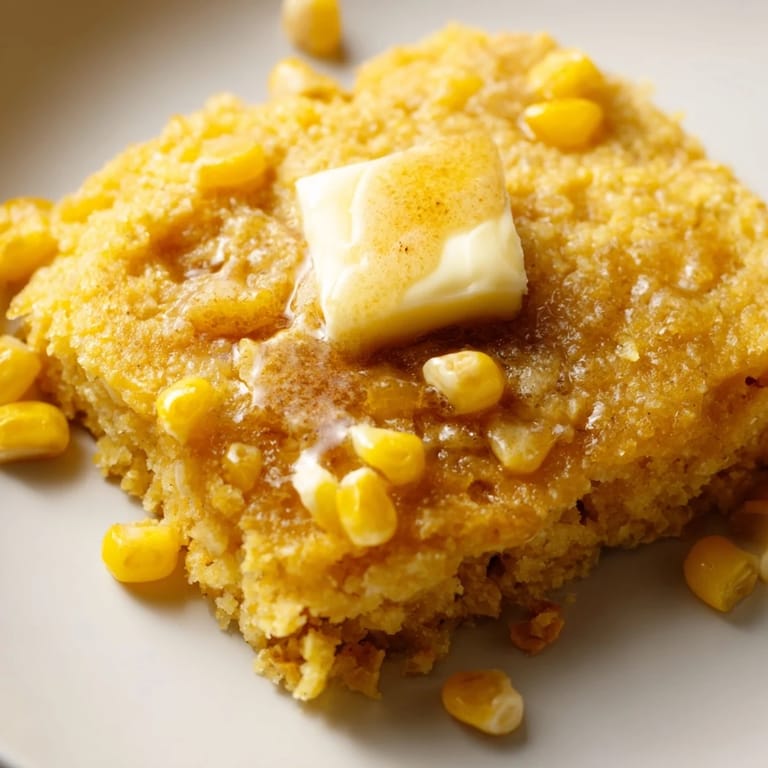
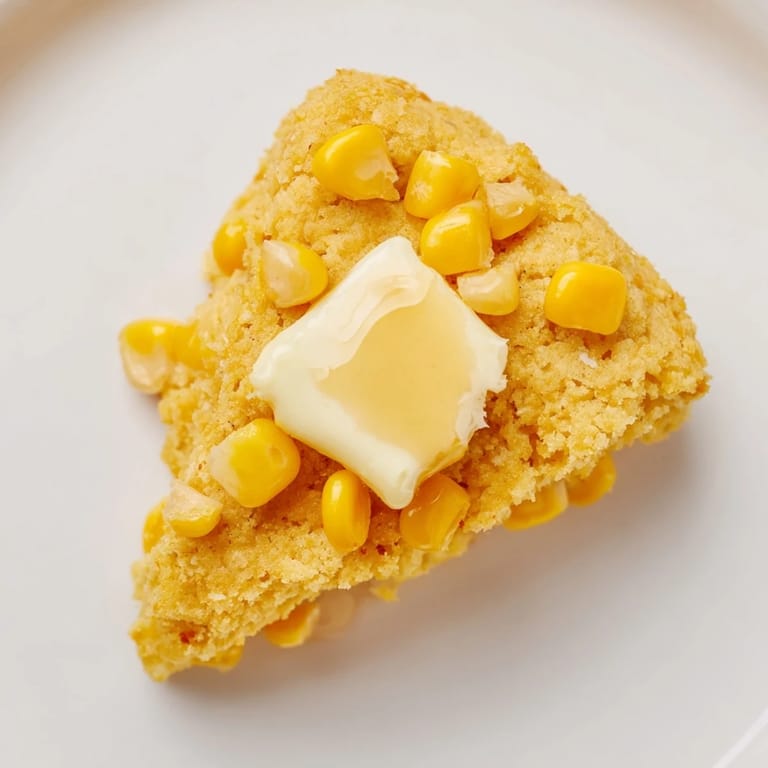
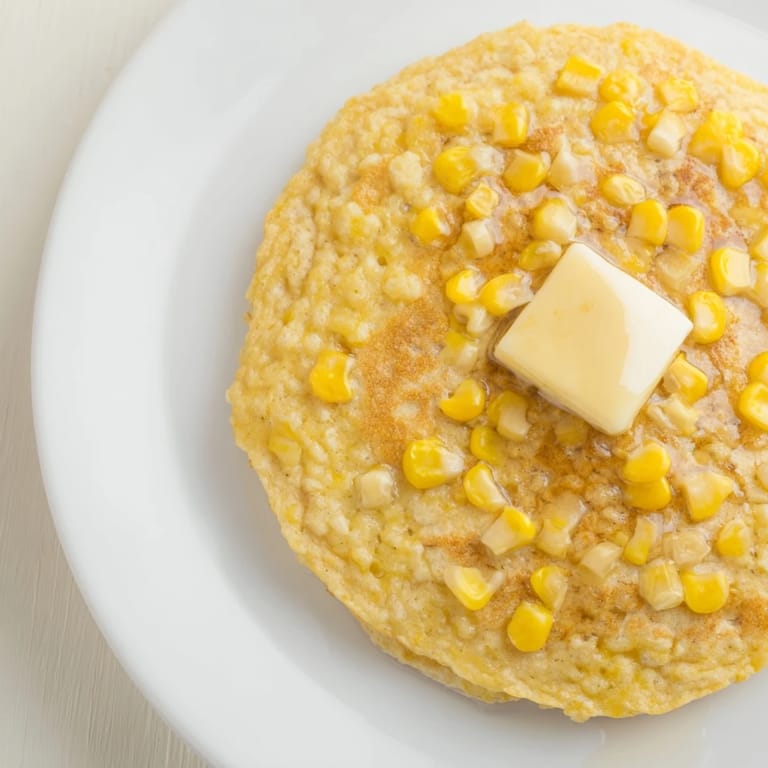
- Stack them warm, butter still melting into the layers, and pass the maple syrup or whatever toppings call to you. They're best eaten within a few minutes of cooking when they still have that soft, fluffy interior.
 Save to Pinterest
 The moment I knew I'd nailed this recipe was when my dad asked for thirds and then started planning when he could make them for my nephew. That's when food stops being just breakfast and becomes a small thread connecting people and moments, which is really what cooking has always been about.
The Story of Cornmeal in Breakfast
Cornmeal pancakes have been around for centuries, especially in the American South and in places where corn has always been part of the everyday pantry. There's something grounding about using a grain that grows in the soil nearby, that tastes like summer even in the dead of winter. When I learned this, I started understanding why my grandmother loved making these so much—it wasn't just a recipe, it was a way of connecting to something larger than herself.
Variations and Personal Tweaks
Once you understand the base recipe, it becomes a canvas for experimentation. I've added smoked paprika when I was in a savory mood, stirred in fresh blueberries in the summer, and even tried a hint of vanilla extract which added an unexpected warmth. The beauty is that the cornmeal base stays steady while you play around the edges.
Toppings and Pairings That Matter
Beyond maple syrup, these deserve some thought about what goes on top. Crispy bacon is the obvious choice, but I've found that fresh fruit—especially berries or sliced peaches—brings out the corn flavor even more. A dollop of sour cream or Greek yogurt adds tang and richness that feels less heavy than butter alone.
- Try topping them with crispy bacon and a drizzle of hot honey for a sweet and salty combination that's almost addictive.
- Fresh berries or sliced fruit work beautifully because they don't compete with the subtle corn flavor but complement it.
- A small dollop of sour cream or Greek yogurt adds creaminess and tang without making the whole plate feel heavy.
 Save to Pinterest
 There's a quiet joy in mastering something that feels simple but takes care and attention to get right. These flapjacks remind me every time I make them why I love cooking in the first place.
Recipe FAQs
- → What gives these flapjacks their golden color?
The combination of cornmeal and lightly browned butter creates a warm golden hue as they cook on the skillet.
- → Can I substitute buttermilk in the batter?
Yes, you can use whole milk mixed with a tablespoon of lemon juice as a buttermilk substitute to maintain the tangy flavor.
- → How do fresh corn kernels affect the texture?
Fresh corn kernels add bursts of sweetness and a pleasant, slightly crunchy contrast within the soft flapjack.
- → What is the best cooking method for even flapjacks?
Cook on medium heat in a lightly greased nonstick skillet or griddle, flipping once bubbles appear and edges set, for a uniform golden finish.
- → Any tips to enhance the flavor of these flapjacks?
Adding a pinch of smoked paprika or chopped scallions to the batter can provide an extra depth of flavor.