 Save to Pinterest
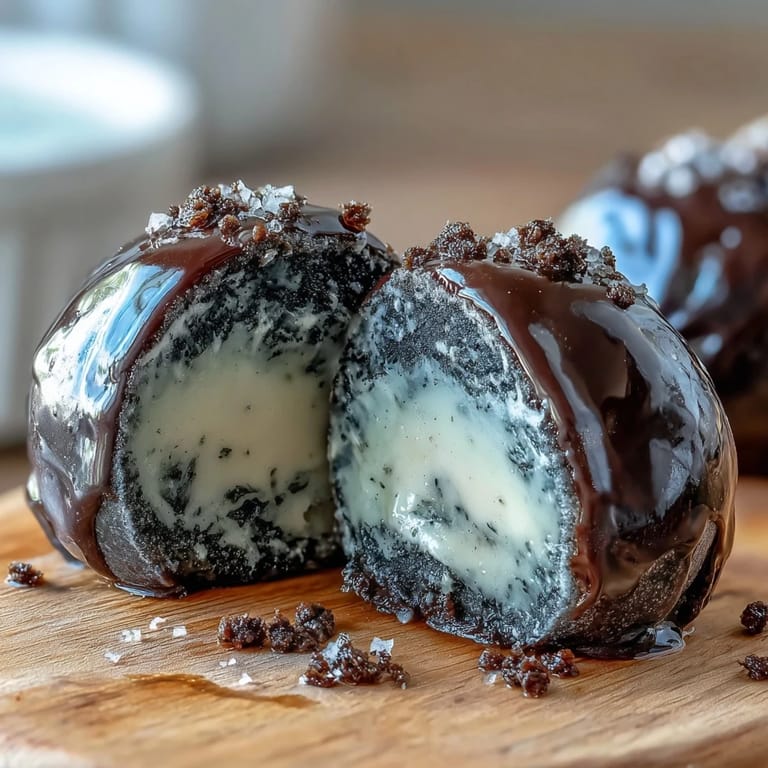
 The first time I bit into black sesame mochi ice cream at a tiny Tokyo dessert shop, I was unprepared for how the chewy shell would give way to that deep, almost smoky richness. There's something about the nuttiness of black sesame that catches you off guard, in the best way. Years later, I decided to recreate it at home, and what started as curiosity turned into one of those kitchen projects that feels equal parts challenging and rewarding. The textural contrast between the soft mochi and cold ice cream became my obsession. Now whenever I make it, I'm back in that moment of quiet discovery, standing in a quiet kitchen late at night with cold hands and a warm sense of accomplishment.
I made these for my sister's birthday dinner last summer, and honestly, the moment people's faces lit up when they bit into them made every minute of prep work disappear from my mind. Someone asked if I'd bought them from a fancy pastry shop, and I couldn't stop grinning while admitting I'd made them at home. It became this thing where everyone wanted the recipe, and I realized this dessert had become my secret weapon for feeling like a real pastry chef, at least for one evening.
Ingredients
- Whole milk: This creates the base of your custard and gives the ice cream a silky texture that feels luxurious on your tongue.
- Heavy cream: The fat content here is what makes your ice cream rich and prevents it from freezing too hard, keeping it scoopable.
- Granulated sugar: Beyond sweetness, this affects how the ice cream freezes and how creamy it becomes in the churning process.
- Egg yolks: These are essential for creating that custard base and adding richness, but you have to temper them slowly or you'll end up with scrambled eggs instead of silky ice cream.
- Black sesame paste: Unsweetened roasted black sesame paste is your star ingredient here, carrying all the depth and flavor that makes this dessert memorable.
- Vanilla extract: Just a teaspoon balances the earthiness of sesame and brings subtle warmth to the background.
- Sweet rice flour (Mochiko): This is glutinous rice flour, not wheat gluten, and it's what creates that distinctive chewy texture when mixed with water and cooked.
- Cornstarch: This prevents your mochi from sticking to your hands and surfaces while you work, making assembly far less frustrating.
Tired of Takeout? 🥡
Get 10 meals you can make faster than delivery arrives. Seriously.
One email. No spam. Unsubscribe anytime.
Instructions
- Heat your cream and milk gently:
- Pour the milk and cream into a saucepan and watch it closely until you see small bubbles forming around the edges. You're aiming for a gentle simmer, not a rolling boil, because overheating can cause the cream to separate.
- Create your pale egg mixture:
- Whisk the egg yolks and sugar together in a bowl until the mixture turns pale yellow and ribbon-like, which means you've incorporated enough air and the sugar has mostly dissolved. This takes about 3-4 minutes of steady whisking.
- Temper those eggs without scrambling:
- This is where patience becomes your best friend. Add the hot milk mixture to the eggs very slowly while whisking constantly, which gradually raises the temperature of the eggs instead of shocking them into scrambled bits. You're essentially teaching them to accept the heat gradually.
- Cook your custard until it coats:
- Pour everything back into the saucepan and cook over low heat, stirring with a wooden spoon, until the mixture thickens enough to coat the back of the spoon and leave a trail when you run your finger through it. Don't rush this step or your ice cream will be too icy.
- Fold in the black sesame magic:
- Remove from heat and whisk in the black sesame paste, vanilla, and salt until completely smooth. You might feel like you're wrestling with it at first, but keep whisking until the paste fully incorporates and the mixture becomes uniform in color.
- Chill your custard thoroughly:
- Strain the custard through a fine-mesh sieve into a clean bowl to remove any cooked egg bits, then refrigerate until it's completely cold, ideally overnight. Cold custard churns more smoothly and freezes properly.
- Churn and scoop into balls:
- Follow your ice cream maker's instructions, which usually means churning for 20-30 minutes until it reaches soft-serve consistency. Quickly scoop 8 small balls onto parchment paper and freeze them solid, at least 2 hours, because soft ice cream is impossible to wrap.
- Mix your mochi dough in the microwave:
- Whisk sweet rice flour, sugar, and water in a microwave-safe bowl until smooth, then microwave on high for 2 minutes, stir with a wet spatula, and microwave another minute. The mixture will transform from wet and separated-looking into something glossy and opaque.
- Turn mochi onto a cornstarch surface:
- Carefully transfer the hot mochi to a work surface generously dusted with cornstarch and let it cool just enough to handle, about a minute. Working with it while it's warm makes it pliable but not so hot that it burns your fingers.
- Divide and flatten into rounds:
- Cut the cooled mochi into 8 equal pieces and gently flatten each one into a 3.5-inch round about a quarter-inch thick, dusting with cornstarch as you go to prevent sticking. Think of it like handling delicate dough, with patience rather than force.
- Wrap ice cream in mochi as fast as you can:
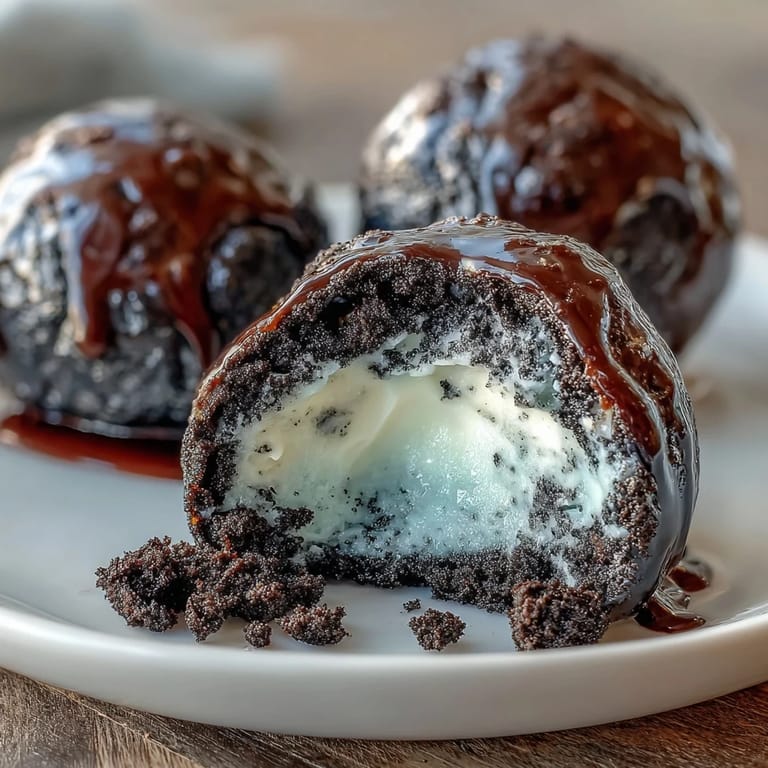
- This is where speed matters because melting ice cream becomes sticky and difficult to seal. Place a frozen ball in the center of a mochi round, fold the edges up and pinch them together at the top, then immediately set it seam-side down on a piece of plastic wrap in a muffin tin.
- Final freeze for texture:
- Freeze the assembled mochi balls for at least an hour before serving so the mochi firms up slightly and the texture becomes perfectly chewy rather than plasticky. This last hour of waiting is worth it.
 Save to Pinterest
 There's something unexpectedly meditative about standing at the kitchen counter at night, working quickly to wrap ice cream in mochi while everything else is quiet. In that rush, when you're trying not to let the ice cream melt and simultaneously seal the seams perfectly, you forget about the day and become fully present in the moment. That's when dessert becomes more than just food, it becomes a small ritual of care and attention.
Black Sesame Paste Matters More Than You Think
I learned this the hard way when I tried substituting regular tahini for black sesame paste to save money, and the ice cream tasted like.. well, like sesame-flavored vanilla ice cream instead of the deep, nutty, almost mysterious flavor you're after. Black sesame paste has been roasted longer, which gives it a completely different profile. Now I'm firm on using the real thing, and I've found it's worth ordering online if your local store doesn't carry it. The flavor difference is truly night and day.
Temperature Control is Everything
Every step in this recipe depends on managing temperature carefully. When you chill your custard, you're setting yourself up for success because cold custard churns properly. When you work quickly with warm mochi and frozen ice cream, you're respecting the physics of both textures. I once tried to stretch out the mochi wrapping because I wasn't paying attention, and the ice cream melted into a mess that wouldn't seal properly. Now I treat the wrapping like a timed sport, and it always works.
Make These When You Have Time to Enjoy the Process
This isn't a rush dessert, and that's actually its charm. Set aside an afternoon or evening where you can focus on each step without hurrying. The ice cream base needs time to chill, the mochi needs your attention while wrapping, and the final freeze needs patience. When you respect the rhythm of the recipe, everything turns out better, and you'll actually enjoy making it instead of just checking boxes off a list.
- Prepare your ice cream base the day before so you have one less thing to do on the day you plan to assemble and serve.
- Dust your work surface generously with cornstarch before you even take the mochi dough out of the microwave, because it prevents so much frustration.
- Keep your ice cream balls in the freezer until the very last moment before wrapping, because even thirty seconds of room temperature air matters when you're trying to seal mochi around them.
 Save to Pinterest
 Every time I make this, I'm struck by how something so delicate and beautiful comes together from such simple ingredients. There's real satisfaction in creating a dessert that tastes like it came from a professional kitchen, especially when you know exactly how much care you put into every step.
Recipe FAQs
- → What makes black sesame ice cream unique?
Black sesame offers a deep, nutty flavor and smooth texture that enhances the creamy custard base of the ice cream.
- → How is mochi dough prepared for wrapping?
Sweet rice flour is mixed with water and sugar, then steamed or microwaved until sticky and soft enough to stretch around the ice cream.
- → Can I substitute ingredients in the ice cream base?
Yes, but roasting black sesame paste adds essential depth; alternatives may change the flavor profile significantly.
- → How to prevent mochi from sticking during assembly?
Dust surfaces and hands with cornstarch to keep the mochi dough manageable and prevent sticking.
- → What is the best way to serve this dessert?
Serve chilled, preferably after an extra hour of freezing to ensure firm texture and clean mochi wrapping.